Buy reviewing.com ?
We are moving the project
reviewing.com .
Are you interested in purchasing the domain
reviewing.com ?
domain@kv-gmbh.de · 0541-91531010
Buy reviewing.com ?
What is a brine pump and what does brine temperature mean?
A brine pump is a device used in refrigeration systems to circulate a brine solution, typically a mixture of water and salt or other chemicals, through a system to absorb and transfer heat. Brine temperature refers to the temperature of the brine solution circulating in the system. Controlling the brine temperature is crucial in maintaining the desired temperature levels in the refrigeration system, as it directly affects the efficiency of heat transfer and overall system performance. **
What are brine shrimp?
Brine shrimp are small aquatic crustaceans that live in saltwater environments such as salt lakes, ponds, and coastal waters. They are also known as "sea monkeys" and are often used as live food for aquarium fish and as a model organism in scientific research. Brine shrimp are known for their ability to survive in extreme conditions, including high salinity and fluctuating temperatures. They are an important part of the aquatic food chain and play a role in nutrient cycling in their ecosystems. **

Similar search terms for Brine
Top-Angebote
Products related to Brine:
-
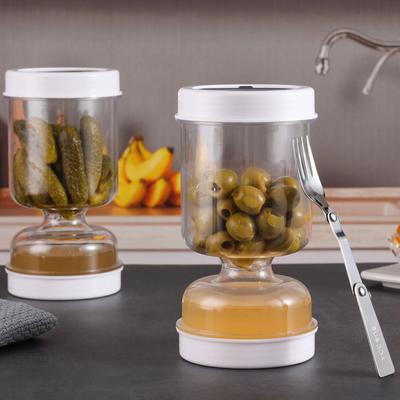
Uplift Picks Olive Pickle Strainer Jar Flip Airtight Container With Brine Separator For Fridge Storage transparent 2 Pcs 2 tierEnjoy pickles, olives, and marinated snacks without messy dripping or digging through brine. This pickle strainer jar uses a clever flip design to separate food from liquid when it is time to serve. The hourglass style keeps brine available for...130,48 $*Shipping: 0,00 $Secure redirect to the provider
-
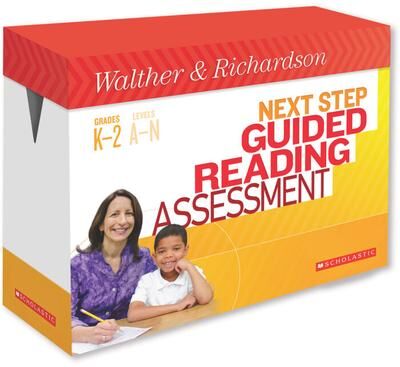
Scholastic Next Step Guided Reading Assessment, K-2Developed by leading literacy experts Jan Richardson, Ph.D., and Maria Walther, Ed.D., Next Step Guided Reading Assessment uses Richardson's proven Assess-Decide-Guide teaching system to pinpoint students' reading level and target instructional next...489,00 $*Shipping: 0,00 $Secure redirect to the provider

-
Triops or brine shrimp?
Both Triops and brine shrimp are small crustaceans commonly used as live food for fish and other aquatic animals. Triops are often larger and have a more complex life cycle, while brine shrimp are smaller and reproduce quickly in saltwater environments. Triops are also known for their unique ability to enter a state of suspended animation when their habitat dries up, allowing them to survive in harsh conditions. Ultimately, the choice between Triops and brine shrimp depends on the specific needs of the animals being fed and the preferences of the keeper. **
-
What do brine shrimp eat?
Brine shrimp are filter feeders and primarily consume algae and other small organic particles in the water. They use their feathery appendages to filter out food from the water. In captivity, they can be fed a diet of powdered algae or yeast, as well as commercial brine shrimp food. Additionally, they can also consume microorganisms and bacteria present in the water. **
-
What is osmosis in brine shrimp?
Osmosis in brine shrimp refers to the movement of water across a semi-permeable membrane from an area of lower solute concentration to an area of higher solute concentration. In the case of brine shrimp, osmosis plays a crucial role in maintaining their internal water balance. When brine shrimp are placed in a hypertonic solution (such as saltwater), water will move out of their bodies, causing them to shrink and potentially die. Conversely, when brine shrimp are in a hypotonic solution (such as freshwater), water will move into their bodies, causing them to swell and potentially burst. **
-
How long do brine shrimp live?
Brine shrimp typically have a lifespan of about 1-2 years in the wild. In captivity, their lifespan can vary depending on the conditions in which they are kept. With proper care and maintenance, brine shrimp can live for several months in a well-maintained aquarium or hatchery. However, their lifespan can be shorter if they are not provided with the necessary food, water quality, and environmental conditions. **
How old do brine shrimp live?
Brine shrimp typically have a lifespan of around 6 months to a year in the wild. However, in captivity, they can live for up to 2 years under optimal conditions. Their lifespan can be influenced by factors such as water quality, temperature, and food availability. **
Can brine shrimp survive without distilled water?
Brine shrimp can survive in a wide range of water conditions, including saltwater, so they do not necessarily need distilled water to survive. However, distilled water is free of impurities and minerals that could potentially harm the brine shrimp, so using distilled water can be beneficial for their health and longevity. In general, brine shrimp are hardy creatures that can adapt to various water conditions, but providing them with clean, distilled water can help ensure their well-being. **
Top-Angebote
Products related to Brine:
-
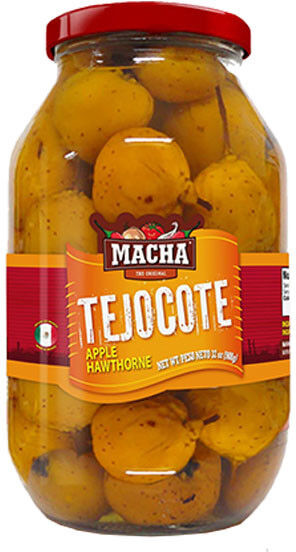
Macha Tejocote Fruit in Brine 908gThe fruit tejocote is like a small apple with a sour taste, very fragrant and yellowish-orange in colour. It has 4-6 small bones inside and is 1-2 cm in diameter. In Mexico, it is eaten raw, cooked or canned. It is a main ingredient used in ponche, the traditional Mexican hot fruit punch that is served at Christmas time and on New Year's Eve.10,20 £*Shipping: 3,90 £Secure redirect to the provider
-
Inspired Living Artemia Brine Shrimp Hatchery Kit Easy Harvest Brine Shrimp Hatchery Bucket Incubator For Fresh Live Fish Food sYou dont need complicated setups to give your fish the freshest nutrition possible. This compact artemia incubator makes hatching brine shrimp clean, simple, and surprisingly satisfyingperfect for aquarists who want healthier fry growth and better...23,97 $*Shipping: 0,00 $Secure redirect to the provider
-
Uplift Picks Olive Pickle Strainer Jar Flip Airtight Container With Brine Separator For Fridge Storage transparent 2 Pcs 2 tierEnjoy pickles, olives, and marinated snacks without messy dripping or digging through brine. This pickle strainer jar uses a clever flip design to separate food from liquid when it is time to serve. The hourglass style keeps brine available for...130,48 $*Shipping: 0,00 $Secure redirect to the provider
-
What is a brine pump and what does brine temperature mean?
A brine pump is a device used in refrigeration systems to circulate a brine solution, typically a mixture of water and salt or other chemicals, through a system to absorb and transfer heat. Brine temperature refers to the temperature of the brine solution circulating in the system. Controlling the brine temperature is crucial in maintaining the desired temperature levels in the refrigeration system, as it directly affects the efficiency of heat transfer and overall system performance. **
-
What are brine shrimp?
Brine shrimp are small aquatic crustaceans that live in saltwater environments such as salt lakes, ponds, and coastal waters. They are also known as "sea monkeys" and are often used as live food for aquarium fish and as a model organism in scientific research. Brine shrimp are known for their ability to survive in extreme conditions, including high salinity and fluctuating temperatures. They are an important part of the aquatic food chain and play a role in nutrient cycling in their ecosystems. **
-
Triops or brine shrimp?
Both Triops and brine shrimp are small crustaceans commonly used as live food for fish and other aquatic animals. Triops are often larger and have a more complex life cycle, while brine shrimp are smaller and reproduce quickly in saltwater environments. Triops are also known for their unique ability to enter a state of suspended animation when their habitat dries up, allowing them to survive in harsh conditions. Ultimately, the choice between Triops and brine shrimp depends on the specific needs of the animals being fed and the preferences of the keeper. **
-
What do brine shrimp eat?
Brine shrimp are filter feeders and primarily consume algae and other small organic particles in the water. They use their feathery appendages to filter out food from the water. In captivity, they can be fed a diet of powdered algae or yeast, as well as commercial brine shrimp food. Additionally, they can also consume microorganisms and bacteria present in the water. **
Similar search terms for Brine
-
Scholastic Next Step Guided Reading Assessment, K-2Developed by leading literacy experts Jan Richardson, Ph.D., and Maria Walther, Ed.D., Next Step Guided Reading Assessment uses Richardson's proven Assess-Decide-Guide teaching system to pinpoint students' reading level and target instructional next...489,00 $*Shipping: 0,00 $Secure redirect to the provider
-
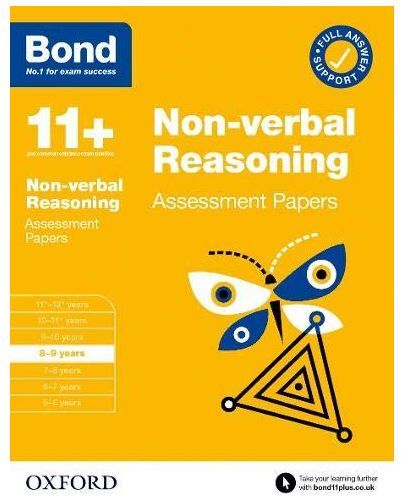
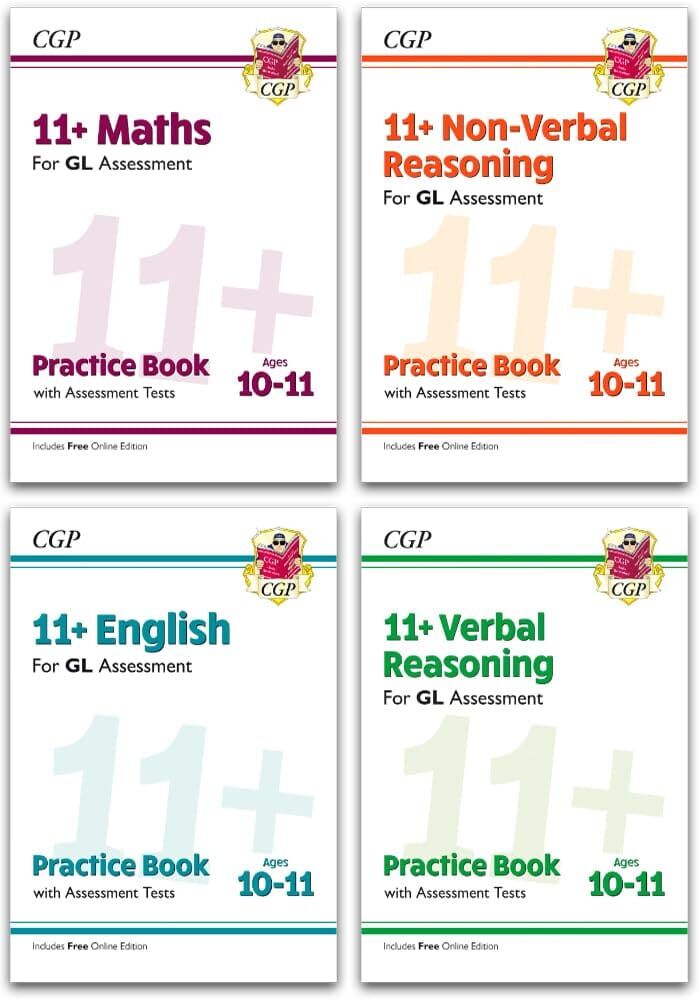
CGP 11+ Practice Book & Assessment Tests Bundle (for GL Assessment) 4 Books Set - Ages 10-11 - Paperback (Includes Free Online Edition) Coordination Group Publications Ltd (CGP)Titles in this Set: 1. 11+ GL Verbal Reasoning Practice Book & Assessment Tests 2. 11+ GL Non-Verbal Reasoning Practice Book & Assessment Tests 3. 11+ GL Maths Practice Book & Assessment Tests 4. 11+ GL English Practice Book & Assessment Tests Description: 11+ GL Verbal Reasoning Practice Book & Assessment Tests With its huge range of Verbal Reasoning questions for ages 10-11, this book is an excellent way to prepare for the 11+ test and other selective entrance exams. The first section of the book focuses on one topic at a time to help children gain understanding and confidence. This is followed by six realistic Assessment Tests to improve their speed and accuracy across a wide range of questions. And if they get stuck or go wrong, the detailed answers at the back of the book make it easy to understand the reasoning behind the questions. 11+ GL Non-Verbal Reasoning Practice Book & Assessment Tests Looking for extra-challenging practice for 11+ Verbal Reasoning? This book is packed with a wide range of practice questions set at the level of the trickiest 11+ questions — and beyond! The first part of the book focuses on one question type at a time to help children master the key skills needed for the GL test, including Comprehension, with a wide range of extra-tricky practice questions set at the very top level of the 11+ and beyond, so they’ll be ready for anything that gets thrown at them. The second part contains a selection of realistic Assessment Tests, with the later tests being even trickier than the real 11+. And if they get stuck, detailed answers make it easy to understand the reasoning behind the questions. 11+ GL Maths Practice Book & Assessment Tests Perfect for children aged 10-11 preparing for 11+ Maths and other selective entrance exams, this book contains a huge range of questions at the level of the final tests. The first section of the book focuses on one topic at a time to help children gain understanding and confidence. This is followed by four realistic Assessment Tests to improve their speed and accuracy across a wide range of questions. And if they get stuck or go wrong, the detailed answers at the back of the book make it easy to understand the reasoning behind the questions. 11+ GL English Practice Book & Assessment Tests Ideal for preparation in the run-up to the 11+ English test and other selective entrance exams, this book contains a huge range of questions at the level of the final tests. The first section of the book focuses on one topic at a time to help children gain understanding and confidence. This is followed by six realistic Assessment Tests to improve their speed and accuracy across a wide range of questions. And if they get stuck or go wrong, the detailed answers at the back of the book make it easy to understand the reasoning behind the questions.28,99 £*Shipping: 2,99 £Secure redirect to the provider
-
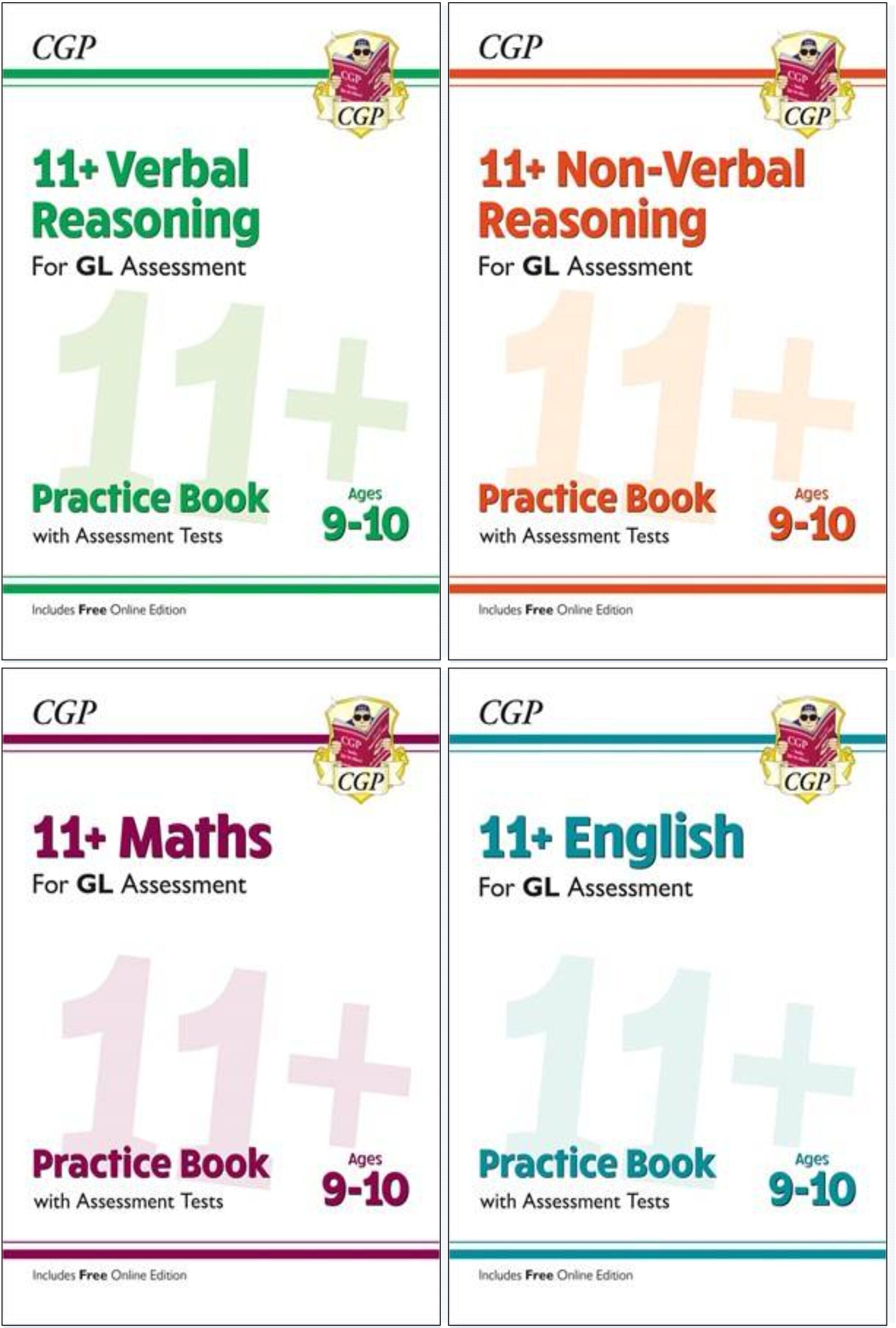
CGP 11+ Practice Book and Assessment Tests Bundle (for GL Assessment) 4 Books Set - Ages 9-10 - Paperback (Includes Free Online Edition) Coordination Group Publications Ltd (CGP)Titles in this Set: 1. 11+ GL Verbal Reasoning Practice Book & Assessment Tests 2. 11+ GL Non-Verbal Reasoning Practice Book & Assessment Tests 3. 11+ GL Maths Practice Book & Assessment Tests 4. 11+ GL English Practice Book & Assessment Tests Description: 11+ GL Verbal Reasoning Practice Book & Assessment Tests Ideal for building up the Verbal Reasoning skills children will need for the 11+ (and other selective entrance exams), this book is packed with targeted practice questions for ages 9-10. The first section of the book focuses on one topic at a time to help children gain understanding and confidence. This is followed by seven Assessment Tests to improve their speed and accuracy across a wide range of questions. And if they get stuck or go wrong, the detailed answers at the back of the book make it easy to understand the reasoning behind the questions. 11+ GL Non-Verbal Reasoning Practice Book & Assessment Tests Ideal for building the key skills children need for 11+ Non-Verbal Reasoning (and other selective entrance exams), this book contains a wide range of practice questions set at a level that’s perfect for ages 9-10. The first section of the book focuses on one topic at a time to help children gain understanding and confidence. This is followed by a selection of Assessment Tests to improve pupils' speed and accuracy across a wide range of questions. And if they get stuck or go wrong, the detailed answers at the back of the book make it easy to understand the reasoning behind the questions. 11+ GL Maths Practice Book & Assessment Tests This book is brimming with Maths questions (with fully explained answers) for ages 9-10 – it's a fantastic resource for helping children work towards the 11+. The first section of the book focuses on one topic at a time to help children gain understanding and confidence, followed by realistic Assessment Tests to improve their speed and accuracy across a wide range of questions. This book is ideal for the 11+ tests set by GL Assessment and other test providers, and provides excellent practice for the Kent Test. 11+ GL English Practice Book & Assessment Tests This Practice Book is an excellent resource for helping children work towards the 11+ English test and other selective entrance exams. It’s full of questions set at a level that’s typically suitable for ages 9-10. The first section of the book focuses on one topic at a time to help children gain understanding and confidence. This is followed by six Assessment Tests to improve their speed and accuracy across a wide range of questions. And if they get stuck or go wrong, the detailed answers at the back of the book make it easy to understand the reasoning behind the questions.27,99 £*Shipping: 2,99 £Secure redirect to the provider
-
What is osmosis in brine shrimp?
Osmosis in brine shrimp refers to the movement of water across a semi-permeable membrane from an area of lower solute concentration to an area of higher solute concentration. In the case of brine shrimp, osmosis plays a crucial role in maintaining their internal water balance. When brine shrimp are placed in a hypertonic solution (such as saltwater), water will move out of their bodies, causing them to shrink and potentially die. Conversely, when brine shrimp are in a hypotonic solution (such as freshwater), water will move into their bodies, causing them to swell and potentially burst. **
-
How long do brine shrimp live?
Brine shrimp typically have a lifespan of about 1-2 years in the wild. In captivity, their lifespan can vary depending on the conditions in which they are kept. With proper care and maintenance, brine shrimp can live for several months in a well-maintained aquarium or hatchery. However, their lifespan can be shorter if they are not provided with the necessary food, water quality, and environmental conditions. **
-
How old do brine shrimp live?
Brine shrimp typically have a lifespan of around 6 months to a year in the wild. However, in captivity, they can live for up to 2 years under optimal conditions. Their lifespan can be influenced by factors such as water quality, temperature, and food availability. **
-
Can brine shrimp survive without distilled water?
Brine shrimp can survive in a wide range of water conditions, including saltwater, so they do not necessarily need distilled water to survive. However, distilled water is free of impurities and minerals that could potentially harm the brine shrimp, so using distilled water can be beneficial for their health and longevity. In general, brine shrimp are hardy creatures that can adapt to various water conditions, but providing them with clean, distilled water can help ensure their well-being. **
* All prices are inclusive of VAT and, if applicable, plus shipping costs. The offer information is based on the details provided by the respective shop and is updated through automated processes. Real-time updates do not occur, so deviations can occur in individual cases. ** Note: Parts of this content were created by AI.