Buy reviewing.com ?
We are moving the project
reviewing.com .
Are you interested in purchasing the domain
reviewing.com ?
domain@kv-gmbh.de · 0541-91531010
Buy reviewing.com ?
What is the dermis?
The dermis is the middle layer of the skin, located between the epidermis (outer layer) and the subcutaneous tissue (innermost layer). It is made up of connective tissue, blood vessels, hair follicles, and sweat glands. The dermis provides structural support to the skin and contains important components such as collagen and elastin, which give the skin its strength and elasticity. Additionally, the dermis plays a crucial role in regulating body temperature and sensation. **
What is located in the dermis?
The dermis is located between the epidermis and the subcutaneous tissue. It contains blood vessels, nerves, hair follicles, sweat glands, and sebaceous glands. Additionally, the dermis is composed of collagen and elastin fibers, which provide strength, elasticity, and support to the skin. **
Similar search terms for Dermis
Top-Angebote
Products related to Dermis:
-
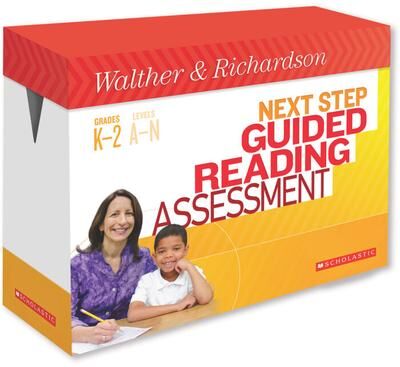
Scholastic Next Step Guided Reading Assessment, K-2Developed by leading literacy experts Jan Richardson, Ph.D., and Maria Walther, Ed.D., Next Step Guided Reading Assessment uses Richardson's proven Assess-Decide-Guide teaching system to pinpoint students' reading level and target instructional next...489,00 $*Shipping: 0,00 $Secure redirect to the provider
-
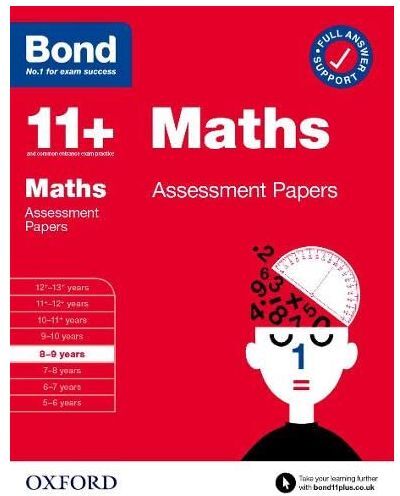
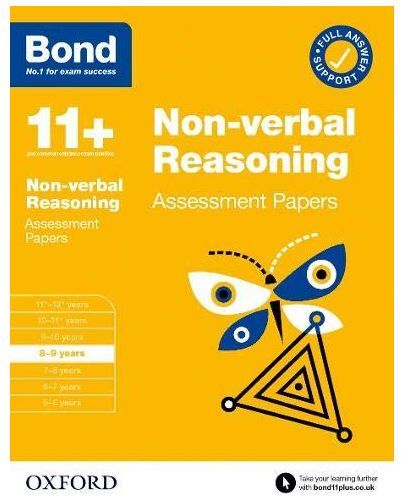
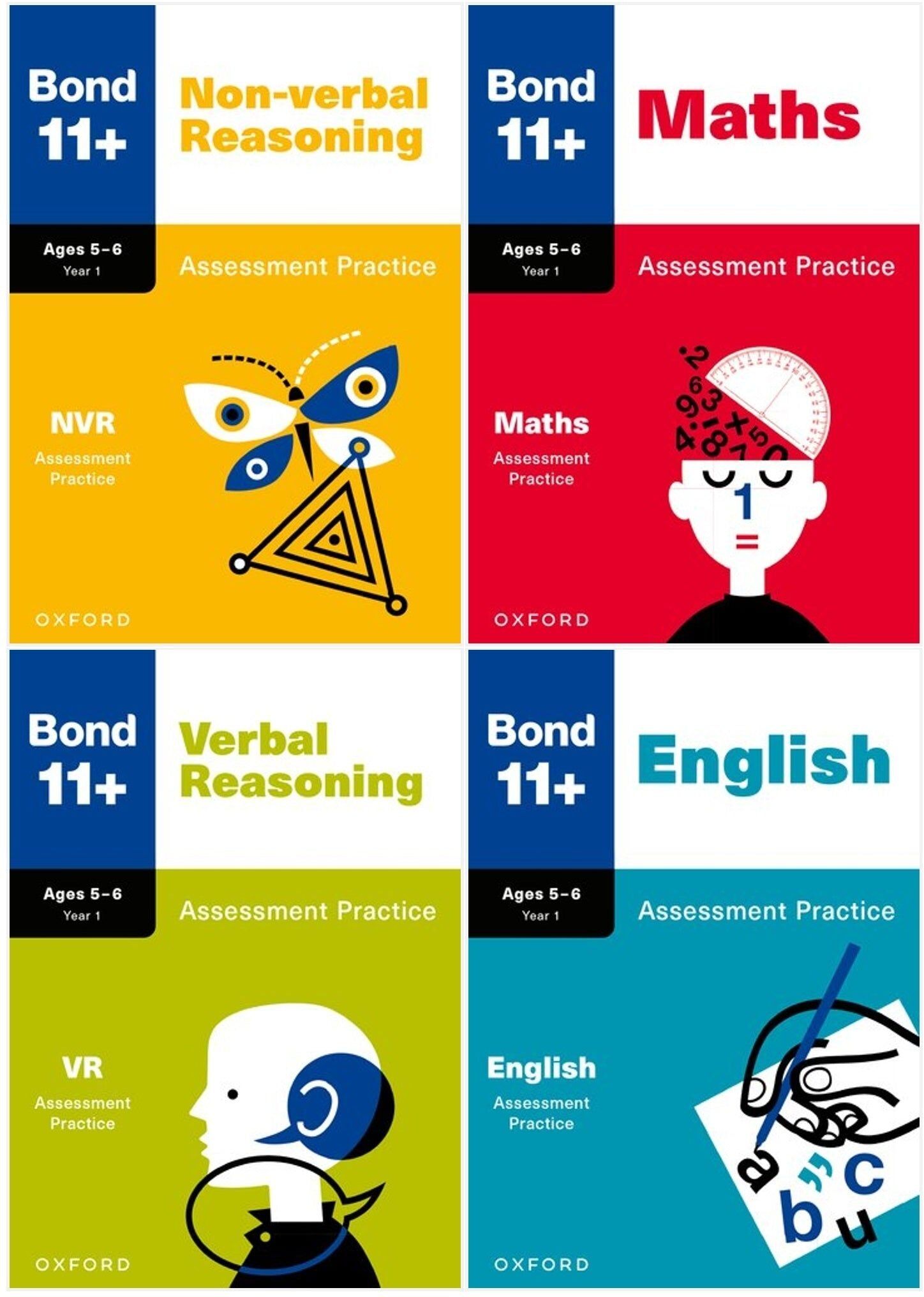
OXFORD UNIVERSITY PRESS Bond 11+ Maths English Verbal Non-Verbal Reasoning Assessment Practice 5-6 years 4 Books Set (Bond Assessment Papers)Bond 11+ English; Maths; Non-verbal Reasoning; Verbal Reasoning Assessment Practice 4 Books Set (Age 5-6) The pack includes the following 4 books (Bond 11 Plus books) Bond 11+ Maths Assessment Practice Ages 5-6 Bond Maths Assessment Practice for 5-6 years are topic-based practice questions that set the foundation for success in SATs; common entrance or 11+ exams. They have been written to cover the core National Curriculum skills and cover the question types used in 11+ exams; building the skills and confidence for exam success. Bond 11+ English Assessment Practice Ages 5-6 Bond English Assessment Practice for 5-6 years are topic-based practice questions that set the foundation for success in SATs; common entrance or 11+ exams. They have been written to cover the core National Curriculum skills and cover the question types used in 11+ exams; building the skills and confidence for exam success Bond 11+ Verbal Reasoning Assessment Practice Ages 5-6 Bond Verbal Reasoning Assessment Practice for 5-6 years introduces children to verbal reasoning problem-solving skills; encouraging thinking skills and providing early preparation for Common Entrance and 11+ exams. Bond 11+ Non-Verbal Reasoning Assessment Practice Ages 5-6 Bond Non-verbal Reasoning Assessment Practice for 5-6 years introduces children to non-verbal reasoning problem-solving skills; encouraging thinking skills and providing early preparation for Common Entrance and 11+ exams.14,40 £*Shipping: 2,99 £Secure redirect to the provider
-
OXFORD UNIVERSITY PRESS Bond 11+ Maths English Verbal Non-Verbal Reasoning Assessment Practice 6-7 years 4 Books Set (Bond Assessment Papers)Bond 11+ Maths English Verbal Non-Verbal Reasoning Assessment Practice 6-7 years 4 Books Set (Bond Assessment Papers) Year 2 Developed and written by experienced tutors, Bond 11+ Assessment Practice Books offer exam-style practice questions, perfect for preparing for the GL 11+ exam and other selective school tests, with full answer explanations in a removable booklet. Bond 11+ English Assessment Practice Age 6-7: Covers all of the core 11+ English exam topics including comprehension, spelling, sentences, punctuation, and grammar Bond 11+ Maths Assessment Practice Age 6-7: Covers a wide variety of maths topics including place value, multiplication and division, fractions, shapes, measurement, and diagrams Bond 11+ Non-verbal Reasoning Assessment Practice Age 6-7: Covers a wide variety of non-verbal reasoning topics including shapes, angles and rotation, similarities, sequences, reflections, and grids Bond 11+ Verbal Reasoning Assessment Practice Age 6-7: Covers a wide variety of verbal reasoning topics including word meanings, word connections, missing letters, patterns and sequences, anagrams, and codes15,99 £*Shipping: 2,99 £Secure redirect to the provider

-
What is the function of the dermis?
The dermis is the middle layer of the skin that provides structural support and elasticity. It contains blood vessels, nerves, hair follicles, and sweat glands. The dermis plays a crucial role in regulating body temperature, providing sensation, and nourishing the upper layer of the skin, the epidermis. Additionally, the dermis helps to protect the body from external threats and maintain overall skin health. **
-
How deep is the dermis and what lies beneath it?
The dermis is the middle layer of the skin, located between the epidermis (top layer) and the subcutaneous tissue (bottom layer). It is typically about 2-4 millimeters thick, but this can vary depending on the location on the body. Beneath the dermis lies the subcutaneous tissue, which is made up of fat and connective tissue that provides insulation and padding for the body. **
-
How deep is the dermis and what is located beneath it?
The dermis is the thickest layer of the skin, located beneath the epidermis. It is typically about 2-4 millimeters thick, but the thickness can vary depending on the location on the body. The dermis contains blood vessels, nerves, hair follicles, and sweat glands, as well as collagen and elastin fibers that give the skin its strength and elasticity. Beneath the dermis is the subcutaneous tissue, also known as the hypodermis, which is made up of fat and connective tissue that insulates the body and provides a cushioning effect. **
-
What are the functions of the epidermis, dermis, and subcutaneous tissue?
The epidermis is the outermost layer of the skin and serves as a protective barrier against environmental factors, such as UV radiation, pathogens, and chemicals. It also helps regulate water loss and temperature. The dermis is the middle layer of the skin and contains blood vessels, nerves, hair follicles, and sweat glands. It provides structural support and elasticity to the skin, as well as housing important sensory receptors for touch, pressure, and pain. The subcutaneous tissue, also known as the hypodermis, is the deepest layer of the skin and consists of fat and connective tissue. It serves as insulation, energy storage, and cushioning for the body, as well as providing a connection between the skin and underlying muscles and bones. **

Could you please give feedback on my analysis?
I'd be happy to provide feedback on your analysis. Please share your analysis with me and I will review it thoroughly to provide constructive feedback. It's important to be specific about what aspects of the analysis you would like feedback on, so that I can tailor my response to your needs. I look forward to helping you improve your analysis. **
Could you please provide feedback on my analysis?
Of course! I would be happy to provide feedback on your analysis. Please share your analysis with me, and I will review it thoroughly to provide you with constructive feedback on its strengths and areas for improvement. Feel free to ask any specific questions or areas you would like me to focus on in my feedback. **
Top-Angebote
Products related to Dermis:
-
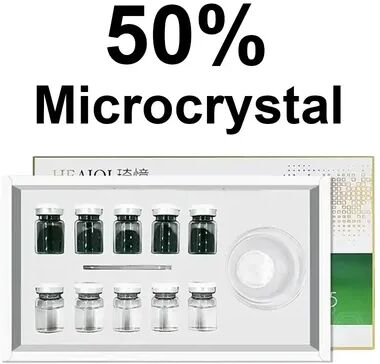
Daily Deals Depot Sponge Microcrystal Spicules Freeze Dried Powder Collagen Booster, Natural Skin Cell Renewal Treatment Deep Dermis 50 MicrocrystalRejuvenate your skin with our advanced 10pcs Sponge Microcrystal Freezedried Powder Collagen Regeneration Set, a 100% natural biological extract that stimulates skin renewal at the cellular level. Designed for professionals and beauty enthusiasts,...27,97 $*Shipping: 0,00 $Secure redirect to the provider
-
Scholastic Next Step Guided Reading Assessment, K-2Developed by leading literacy experts Jan Richardson, Ph.D., and Maria Walther, Ed.D., Next Step Guided Reading Assessment uses Richardson's proven Assess-Decide-Guide teaching system to pinpoint students' reading level and target instructional next...489,00 $*Shipping: 0,00 $Secure redirect to the provider
-
What is the dermis?
The dermis is the middle layer of the skin, located between the epidermis (outer layer) and the subcutaneous tissue (innermost layer). It is made up of connective tissue, blood vessels, hair follicles, and sweat glands. The dermis provides structural support to the skin and contains important components such as collagen and elastin, which give the skin its strength and elasticity. Additionally, the dermis plays a crucial role in regulating body temperature and sensation. **
-
What is located in the dermis?
The dermis is located between the epidermis and the subcutaneous tissue. It contains blood vessels, nerves, hair follicles, sweat glands, and sebaceous glands. Additionally, the dermis is composed of collagen and elastin fibers, which provide strength, elasticity, and support to the skin. **
-
What is the function of the dermis?
The dermis is the middle layer of the skin that provides structural support and elasticity. It contains blood vessels, nerves, hair follicles, and sweat glands. The dermis plays a crucial role in regulating body temperature, providing sensation, and nourishing the upper layer of the skin, the epidermis. Additionally, the dermis helps to protect the body from external threats and maintain overall skin health. **
-
How deep is the dermis and what lies beneath it?
The dermis is the middle layer of the skin, located between the epidermis (top layer) and the subcutaneous tissue (bottom layer). It is typically about 2-4 millimeters thick, but this can vary depending on the location on the body. Beneath the dermis lies the subcutaneous tissue, which is made up of fat and connective tissue that provides insulation and padding for the body. **
Similar search terms for Dermis
-
OXFORD UNIVERSITY PRESS Bond 11+ Maths English Verbal Non-Verbal Reasoning Assessment Practice 5-6 years 4 Books Set (Bond Assessment Papers)Bond 11+ English; Maths; Non-verbal Reasoning; Verbal Reasoning Assessment Practice 4 Books Set (Age 5-6) The pack includes the following 4 books (Bond 11 Plus books) Bond 11+ Maths Assessment Practice Ages 5-6 Bond Maths Assessment Practice for 5-6 years are topic-based practice questions that set the foundation for success in SATs; common entrance or 11+ exams. They have been written to cover the core National Curriculum skills and cover the question types used in 11+ exams; building the skills and confidence for exam success. Bond 11+ English Assessment Practice Ages 5-6 Bond English Assessment Practice for 5-6 years are topic-based practice questions that set the foundation for success in SATs; common entrance or 11+ exams. They have been written to cover the core National Curriculum skills and cover the question types used in 11+ exams; building the skills and confidence for exam success Bond 11+ Verbal Reasoning Assessment Practice Ages 5-6 Bond Verbal Reasoning Assessment Practice for 5-6 years introduces children to verbal reasoning problem-solving skills; encouraging thinking skills and providing early preparation for Common Entrance and 11+ exams. Bond 11+ Non-Verbal Reasoning Assessment Practice Ages 5-6 Bond Non-verbal Reasoning Assessment Practice for 5-6 years introduces children to non-verbal reasoning problem-solving skills; encouraging thinking skills and providing early preparation for Common Entrance and 11+ exams.14,40 £*Shipping: 2,99 £Secure redirect to the provider
-
OXFORD UNIVERSITY PRESS Bond 11+ Maths English Verbal Non-Verbal Reasoning Assessment Practice 6-7 years 4 Books Set (Bond Assessment Papers)Bond 11+ Maths English Verbal Non-Verbal Reasoning Assessment Practice 6-7 years 4 Books Set (Bond Assessment Papers) Year 2 Developed and written by experienced tutors, Bond 11+ Assessment Practice Books offer exam-style practice questions, perfect for preparing for the GL 11+ exam and other selective school tests, with full answer explanations in a removable booklet. Bond 11+ English Assessment Practice Age 6-7: Covers all of the core 11+ English exam topics including comprehension, spelling, sentences, punctuation, and grammar Bond 11+ Maths Assessment Practice Age 6-7: Covers a wide variety of maths topics including place value, multiplication and division, fractions, shapes, measurement, and diagrams Bond 11+ Non-verbal Reasoning Assessment Practice Age 6-7: Covers a wide variety of non-verbal reasoning topics including shapes, angles and rotation, similarities, sequences, reflections, and grids Bond 11+ Verbal Reasoning Assessment Practice Age 6-7: Covers a wide variety of verbal reasoning topics including word meanings, word connections, missing letters, patterns and sequences, anagrams, and codes15,99 £*Shipping: 2,99 £Secure redirect to the provider
-
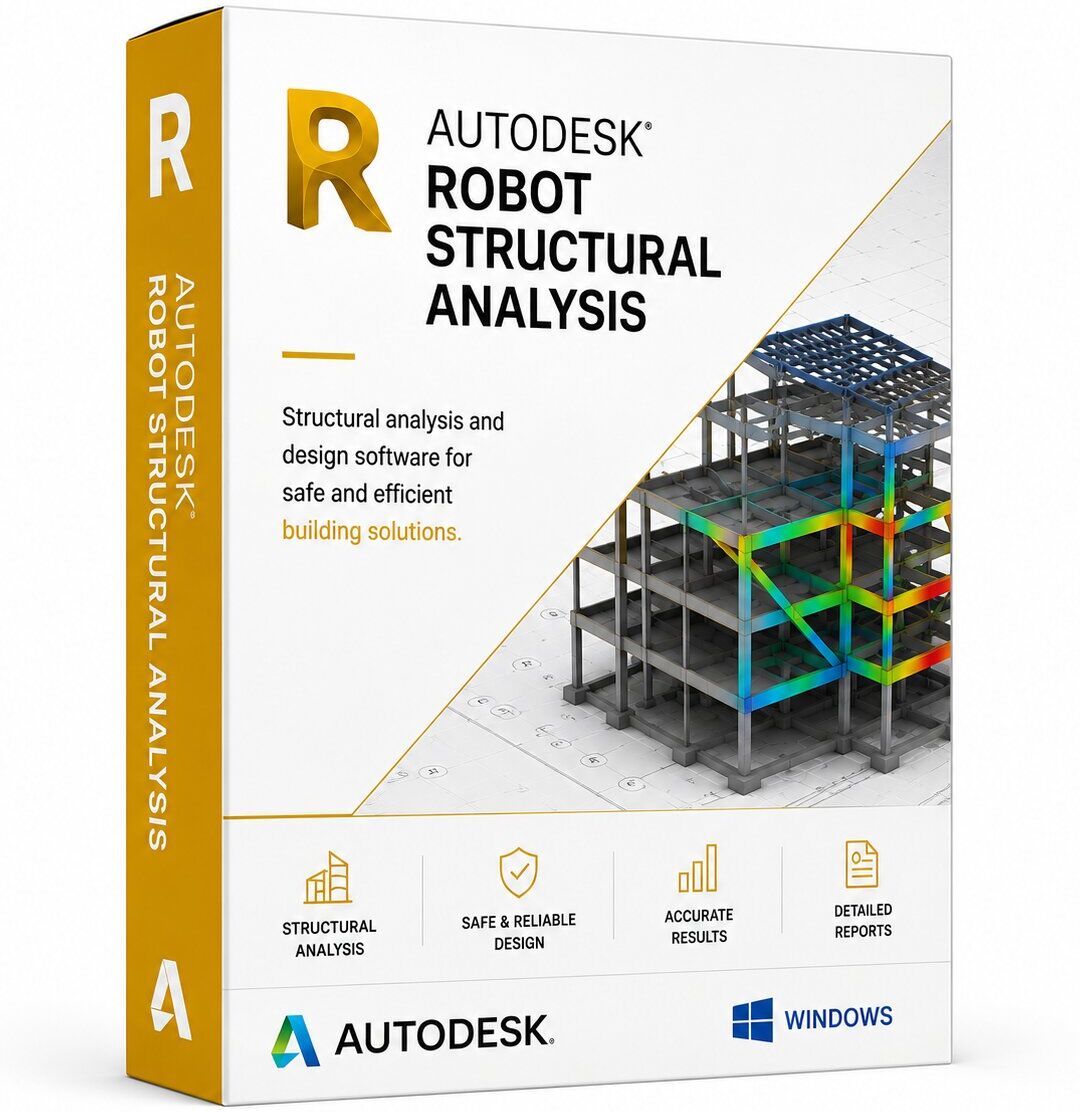
AUTODESK ROBOT STRUCTURAL ANALYSIS 2026AUTODESK ROBOT STRUCTURAL ANALYSIS LIZENZ Original und garantiert von Nextdigitalkey.com Autodesk Robot Structural Analysis Professional ist eine leistungsstarke FEM-Software (Finite-Elemente-Methode) für die statische und dynamische Analyse von Tragwerken. Sie wird von Statikern und Bauingenieuren weltweit zur präzisen Berechnung und Dimensionierung von Gebäuden und Infrastrukturen eingesetzt. Mit Robot Structural Analysis können Sie: - Statische und dynamische Berechnungen für beliebige Tragwerkstypen durchführen - Stahl-, Beton- und Holzstrukturen nach internationalen Normen (EN, AISC, etc.) bemessen - Nahtlos mit Revit und AutoCAD zusammenarbeiten – dank bidirektionaler BIM-Integration - Erdbeben-, Wind- und Schneelasten nach aktuellen Normen automatisch generieren - Detaillierte Bemessungsberichte und Werkstattzeichnungen exportieren Warum Robot Structural Analysis? Robot bietet eine vollständige Lösung für Tragwerksplanung – von der Modellierung bis zur Norm-konformen Bemessung – und spart durch die enge Revit-Integration erheblich Zeit bei Planungsänderungen. Lizenzinformationen: - Zugang: Vollständig - Sprache: Mehrsprachig - Geräte: 1 - Betriebssystem: Windows - Lizenztyp: Dauerhaft (ohne Ablaufdatum) Was Sie nach dem Kauf erhalten: - Offizieller Produktschlüssel - Downloadlink zur offiziellen Autodesk-Webseite - Installationsanleitung auf Deutsch Download: Der Download erfolgt direkt über die offizielle Autodesk-Webseite. Preis und Legalität: Unsere Lizenzen stammen aus dem Wiederverkauf entbundener Einzelhandelslizenzen gemäß dem Urteil des Europäischen Gerichtshofs (C-128/2011). Alle Lizenzen sind original, digital (ESD), sofort verfügbar und beliebig oft auf demselben Gerät installierbar. Support: Technischer Support rund um die Uhr per Fernzugriff – auch an Wochenenden und Feiertagen verfügbar.89,95 £*Shipping: 0,00 £Secure redirect to the provider
-
Daily Deals Depot Sponge Microcrystal Spicules Freeze Dried Powder Collagen Booster, Natural Skin Cell Renewal Treatment Deep Dermis 70 MicrocrystalRejuvenate your skin with our advanced 10pcs Sponge Microcrystal Freezedried Powder Collagen Regeneration Set, a 100% natural biological extract that stimulates skin renewal at the cellular level. Designed for professionals and beauty enthusiasts,...35,97 $*Shipping: 0,00 $Secure redirect to the provider
-
How deep is the dermis and what is located beneath it?
The dermis is the thickest layer of the skin, located beneath the epidermis. It is typically about 2-4 millimeters thick, but the thickness can vary depending on the location on the body. The dermis contains blood vessels, nerves, hair follicles, and sweat glands, as well as collagen and elastin fibers that give the skin its strength and elasticity. Beneath the dermis is the subcutaneous tissue, also known as the hypodermis, which is made up of fat and connective tissue that insulates the body and provides a cushioning effect. **
-
What are the functions of the epidermis, dermis, and subcutaneous tissue?
The epidermis is the outermost layer of the skin and serves as a protective barrier against environmental factors, such as UV radiation, pathogens, and chemicals. It also helps regulate water loss and temperature. The dermis is the middle layer of the skin and contains blood vessels, nerves, hair follicles, and sweat glands. It provides structural support and elasticity to the skin, as well as housing important sensory receptors for touch, pressure, and pain. The subcutaneous tissue, also known as the hypodermis, is the deepest layer of the skin and consists of fat and connective tissue. It serves as insulation, energy storage, and cushioning for the body, as well as providing a connection between the skin and underlying muscles and bones. **
-
Could you please give feedback on my analysis?
I'd be happy to provide feedback on your analysis. Please share your analysis with me and I will review it thoroughly to provide constructive feedback. It's important to be specific about what aspects of the analysis you would like feedback on, so that I can tailor my response to your needs. I look forward to helping you improve your analysis. **
-
Could you please provide feedback on my analysis?
Of course! I would be happy to provide feedback on your analysis. Please share your analysis with me, and I will review it thoroughly to provide you with constructive feedback on its strengths and areas for improvement. Feel free to ask any specific questions or areas you would like me to focus on in my feedback. **
* All prices are inclusive of VAT and, if applicable, plus shipping costs. The offer information is based on the details provided by the respective shop and is updated through automated processes. Real-time updates do not occur, so deviations can occur in individual cases. ** Note: Parts of this content were created by AI.