Buy reviewing.com ?
We are moving the project
reviewing.com .
Are you interested in purchasing the domain
reviewing.com ?
domain@kv-gmbh.de · 0541-91531010
Buy reviewing.com ?
What are diverging plate tsunamis?
Diverging plate tsunamis are caused by the movement of tectonic plates away from each other, creating a gap or rift in the ocean floor. This movement can displace a large volume of water, triggering a tsunami. Diverging plate tsunamis are less common than subduction zone tsunamis, which occur when tectonic plates collide. However, they can still be powerful and destructive, especially in regions where divergent plate boundaries are active, such as the East African Rift. **
Why do short-sighted people need diverging lenses?
Short-sighted people, also known as myopic individuals, have difficulty seeing distant objects clearly. This is because their eyes focus the image in front of the retina instead of directly on it. Diverging lenses are used to correct this by spreading out the light rays before they enter the eye, allowing the image to be focused correctly on the retina. This helps to improve the clarity of distant vision for short-sighted individuals. **

Similar search terms for Diverging
Top-Angebote
Products related to Diverging:
-
Scholastic Next Step Guided Reading Assessment, K-2Developed by leading literacy experts Jan Richardson, Ph.D., and Maria Walther, Ed.D., Next Step Guided Reading Assessment uses Richardson's proven Assess-Decide-Guide teaching system to pinpoint students' reading level and target instructional next...489,00 $*Shipping: 0,00 $Secure redirect to the provider
-
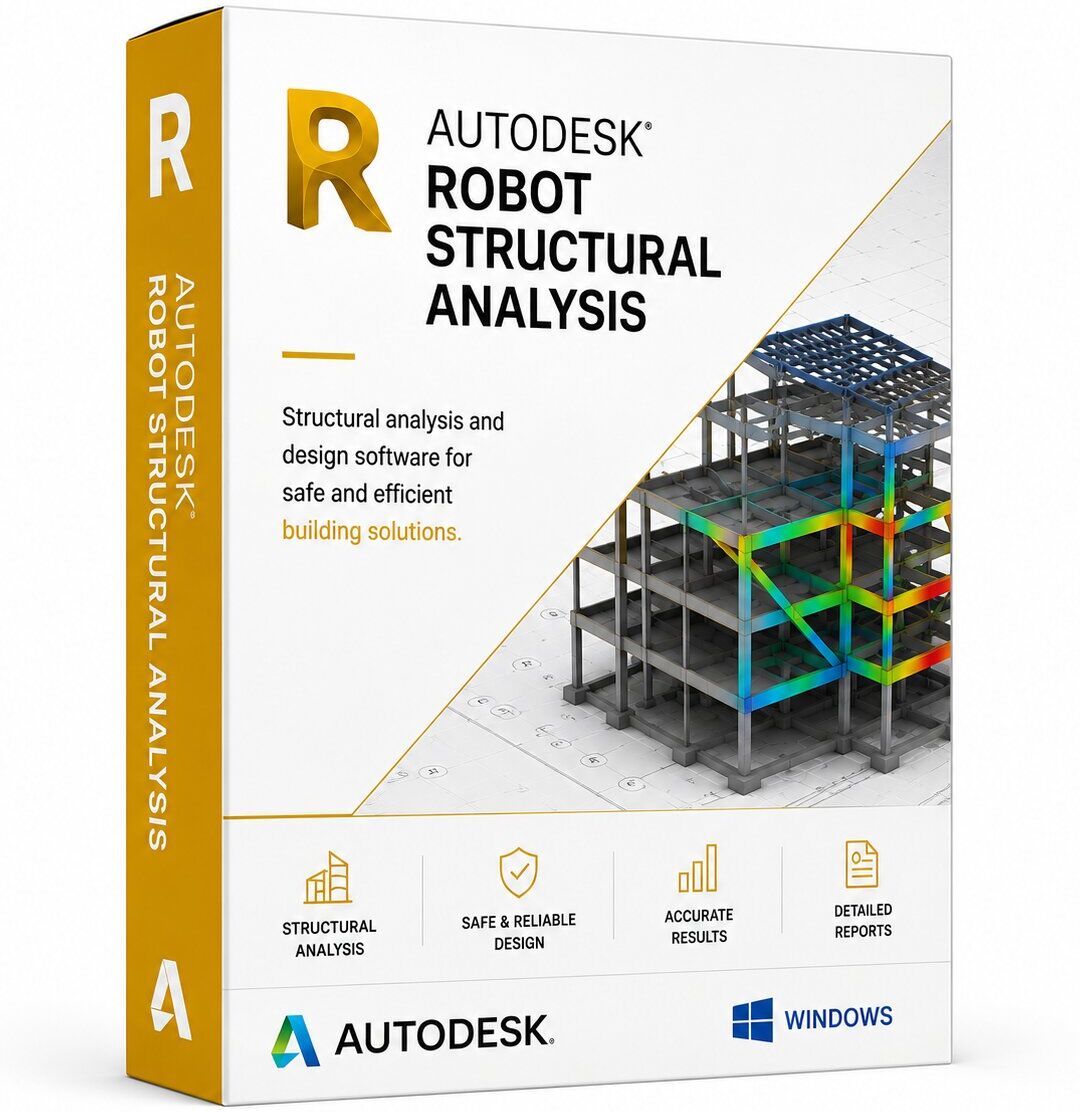
AUTODESK ROBOT STRUCTURAL ANALYSIS 2026AUTODESK ROBOT STRUCTURAL ANALYSIS LIZENZ Original und garantiert von Nextdigitalkey.com Autodesk Robot Structural Analysis Professional ist eine leistungsstarke FEM-Software (Finite-Elemente-Methode) für die statische und dynamische Analyse von Tragwerken. Sie wird von Statikern und Bauingenieuren weltweit zur präzisen Berechnung und Dimensionierung von Gebäuden und Infrastrukturen eingesetzt. Mit Robot Structural Analysis können Sie: - Statische und dynamische Berechnungen für beliebige Tragwerkstypen durchführen - Stahl-, Beton- und Holzstrukturen nach internationalen Normen (EN, AISC, etc.) bemessen - Nahtlos mit Revit und AutoCAD zusammenarbeiten – dank bidirektionaler BIM-Integration - Erdbeben-, Wind- und Schneelasten nach aktuellen Normen automatisch generieren - Detaillierte Bemessungsberichte und Werkstattzeichnungen exportieren Warum Robot Structural Analysis? Robot bietet eine vollständige Lösung für Tragwerksplanung – von der Modellierung bis zur Norm-konformen Bemessung – und spart durch die enge Revit-Integration erheblich Zeit bei Planungsänderungen. Lizenzinformationen: - Zugang: Vollständig - Sprache: Mehrsprachig - Geräte: 1 - Betriebssystem: Windows - Lizenztyp: Dauerhaft (ohne Ablaufdatum) Was Sie nach dem Kauf erhalten: - Offizieller Produktschlüssel - Downloadlink zur offiziellen Autodesk-Webseite - Installationsanleitung auf Deutsch Download: Der Download erfolgt direkt über die offizielle Autodesk-Webseite. Preis und Legalität: Unsere Lizenzen stammen aus dem Wiederverkauf entbundener Einzelhandelslizenzen gemäß dem Urteil des Europäischen Gerichtshofs (C-128/2011). Alle Lizenzen sind original, digital (ESD), sofort verfügbar und beliebig oft auf demselben Gerät installierbar. Support: Technischer Support rund um die Uhr per Fernzugriff – auch an Wochenenden und Feiertagen verfügbar.89,95 £*Shipping: 0,00 £Secure redirect to the provider



-
What are the properties of diverging and converging lenses?
Diverging lenses are thinner at the center than at the edges and cause parallel light rays to spread out, or diverge. This results in the formation of virtual images that are always upright and smaller than the object. Converging lenses are thicker at the center than at the edges and cause parallel light rays to converge to a focal point. This results in the formation of real images that can be either upright or inverted, depending on the object's distance from the lens. **
-
Is the converging lens the same as the diverging lens?
No, a converging lens and a diverging lens are not the same. A converging lens is thicker in the middle and causes parallel rays of light to converge at a focal point, while a diverging lens is thinner in the middle and causes parallel rays of light to diverge. Converging lenses are used to create real images, while diverging lenses are used to create virtual images. Therefore, the two types of lenses have different optical properties and applications. **
-
What is the difference between a converging lens and a diverging lens?
A converging lens is thicker in the middle and thinner at the edges, causing light rays to converge at a focal point. This type of lens is often used in cameras and microscopes. On the other hand, a diverging lens is thinner in the middle and thicker at the edges, causing light rays to diverge. This type of lens is often used in correcting nearsightedness in eyeglasses. In summary, the main difference between the two types of lenses is how they bend light rays - converging lenses bring light rays together, while diverging lenses spread them apart. **
-
Are the differences in IQ between countries really only due to diverging education systems?
While education systems certainly play a significant role in shaping IQ levels within a country, they are not the sole factor responsible for differences in IQ between countries. Other factors such as genetics, socio-economic status, nutrition, healthcare, and cultural differences can also contribute to variations in IQ levels. Additionally, access to resources, quality of education, and societal attitudes towards learning can vary widely between countries, further influencing IQ disparities. Therefore, it is important to consider a range of factors when analyzing differences in IQ between countries, rather than attributing it solely to education systems. **

What are the differences and similarities between a converging lens and a diverging lens?
The main difference between a converging lens and a diverging lens is their ability to converge or diverge light rays. A converging lens, also known as a convex lens, causes parallel light rays to converge at a focal point, while a diverging lens, also known as a concave lens, causes parallel light rays to diverge. Both lenses have a focal point and focal length, but the converging lens has a real focal point, while the diverging lens has a virtual focal point. Additionally, converging lenses produce real and inverted images, while diverging lenses produce virtual and upright images. **
What is the difference in shape between a converging lens and a diverging lens?
A converging lens is thicker in the middle and thinner at the edges, causing light rays to converge at a focal point. In contrast, a diverging lens is thinner in the middle and thicker at the edges, causing light rays to diverge away from a focal point. This difference in shape results in the converging lens being able to focus light to a point, while the diverging lens spreads out light. **
Top-Angebote
Products related to Diverging:
-
Scholastic Next Step Guided Reading Assessment, K-2Developed by leading literacy experts Jan Richardson, Ph.D., and Maria Walther, Ed.D., Next Step Guided Reading Assessment uses Richardson's proven Assess-Decide-Guide teaching system to pinpoint students' reading level and target instructional next...489,00 $*Shipping: 0,00 $Secure redirect to the provider
-
What are diverging plate tsunamis?
Diverging plate tsunamis are caused by the movement of tectonic plates away from each other, creating a gap or rift in the ocean floor. This movement can displace a large volume of water, triggering a tsunami. Diverging plate tsunamis are less common than subduction zone tsunamis, which occur when tectonic plates collide. However, they can still be powerful and destructive, especially in regions where divergent plate boundaries are active, such as the East African Rift. **
-
Why do short-sighted people need diverging lenses?
Short-sighted people, also known as myopic individuals, have difficulty seeing distant objects clearly. This is because their eyes focus the image in front of the retina instead of directly on it. Diverging lenses are used to correct this by spreading out the light rays before they enter the eye, allowing the image to be focused correctly on the retina. This helps to improve the clarity of distant vision for short-sighted individuals. **
-
What are the properties of diverging and converging lenses?
Diverging lenses are thinner at the center than at the edges and cause parallel light rays to spread out, or diverge. This results in the formation of virtual images that are always upright and smaller than the object. Converging lenses are thicker at the center than at the edges and cause parallel light rays to converge to a focal point. This results in the formation of real images that can be either upright or inverted, depending on the object's distance from the lens. **
-
Is the converging lens the same as the diverging lens?
No, a converging lens and a diverging lens are not the same. A converging lens is thicker in the middle and causes parallel rays of light to converge at a focal point, while a diverging lens is thinner in the middle and causes parallel rays of light to diverge. Converging lenses are used to create real images, while diverging lenses are used to create virtual images. Therefore, the two types of lenses have different optical properties and applications. **
Similar search terms for Diverging
-
AUTODESK ROBOT STRUCTURAL ANALYSIS 2026AUTODESK ROBOT STRUCTURAL ANALYSIS LIZENZ Original und garantiert von Nextdigitalkey.com Autodesk Robot Structural Analysis Professional ist eine leistungsstarke FEM-Software (Finite-Elemente-Methode) für die statische und dynamische Analyse von Tragwerken. Sie wird von Statikern und Bauingenieuren weltweit zur präzisen Berechnung und Dimensionierung von Gebäuden und Infrastrukturen eingesetzt. Mit Robot Structural Analysis können Sie: - Statische und dynamische Berechnungen für beliebige Tragwerkstypen durchführen - Stahl-, Beton- und Holzstrukturen nach internationalen Normen (EN, AISC, etc.) bemessen - Nahtlos mit Revit und AutoCAD zusammenarbeiten – dank bidirektionaler BIM-Integration - Erdbeben-, Wind- und Schneelasten nach aktuellen Normen automatisch generieren - Detaillierte Bemessungsberichte und Werkstattzeichnungen exportieren Warum Robot Structural Analysis? Robot bietet eine vollständige Lösung für Tragwerksplanung – von der Modellierung bis zur Norm-konformen Bemessung – und spart durch die enge Revit-Integration erheblich Zeit bei Planungsänderungen. Lizenzinformationen: - Zugang: Vollständig - Sprache: Mehrsprachig - Geräte: 1 - Betriebssystem: Windows - Lizenztyp: Dauerhaft (ohne Ablaufdatum) Was Sie nach dem Kauf erhalten: - Offizieller Produktschlüssel - Downloadlink zur offiziellen Autodesk-Webseite - Installationsanleitung auf Deutsch Download: Der Download erfolgt direkt über die offizielle Autodesk-Webseite. Preis und Legalität: Unsere Lizenzen stammen aus dem Wiederverkauf entbundener Einzelhandelslizenzen gemäß dem Urteil des Europäischen Gerichtshofs (C-128/2011). Alle Lizenzen sind original, digital (ESD), sofort verfügbar und beliebig oft auf demselben Gerät installierbar. Support: Technischer Support rund um die Uhr per Fernzugriff – auch an Wochenenden und Feiertagen verfügbar.89,95 £*Shipping: 0,00 £Secure redirect to the provider
-
What is the difference between a converging lens and a diverging lens?
A converging lens is thicker in the middle and thinner at the edges, causing light rays to converge at a focal point. This type of lens is often used in cameras and microscopes. On the other hand, a diverging lens is thinner in the middle and thicker at the edges, causing light rays to diverge. This type of lens is often used in correcting nearsightedness in eyeglasses. In summary, the main difference between the two types of lenses is how they bend light rays - converging lenses bring light rays together, while diverging lenses spread them apart. **
-
Are the differences in IQ between countries really only due to diverging education systems?
While education systems certainly play a significant role in shaping IQ levels within a country, they are not the sole factor responsible for differences in IQ between countries. Other factors such as genetics, socio-economic status, nutrition, healthcare, and cultural differences can also contribute to variations in IQ levels. Additionally, access to resources, quality of education, and societal attitudes towards learning can vary widely between countries, further influencing IQ disparities. Therefore, it is important to consider a range of factors when analyzing differences in IQ between countries, rather than attributing it solely to education systems. **
-
What are the differences and similarities between a converging lens and a diverging lens?
The main difference between a converging lens and a diverging lens is their ability to converge or diverge light rays. A converging lens, also known as a convex lens, causes parallel light rays to converge at a focal point, while a diverging lens, also known as a concave lens, causes parallel light rays to diverge. Both lenses have a focal point and focal length, but the converging lens has a real focal point, while the diverging lens has a virtual focal point. Additionally, converging lenses produce real and inverted images, while diverging lenses produce virtual and upright images. **
-
What is the difference in shape between a converging lens and a diverging lens?
A converging lens is thicker in the middle and thinner at the edges, causing light rays to converge at a focal point. In contrast, a diverging lens is thinner in the middle and thicker at the edges, causing light rays to diverge away from a focal point. This difference in shape results in the converging lens being able to focus light to a point, while the diverging lens spreads out light. **
* All prices are inclusive of VAT and, if applicable, plus shipping costs. The offer information is based on the details provided by the respective shop and is updated through automated processes. Real-time updates do not occur, so deviations can occur in individual cases. ** Note: Parts of this content were created by AI.