Buy reviewing.com ?
We are moving the project
reviewing.com .
Are you interested in purchasing the domain
reviewing.com ?
domain@kv-gmbh.de · 0541-91531010
Buy reviewing.com ?
How is carbon monoxide produced by charcoal?
Carbon monoxide is produced by charcoal when it is burned in a low oxygen environment, such as in a closed space or poorly ventilated area. When charcoal burns, it releases carbon monoxide gas as a byproduct of incomplete combustion. This colorless, odorless gas can be dangerous if inhaled in high concentrations, leading to symptoms such as dizziness, headaches, and even death. It is important to always use charcoal in a well-ventilated area to prevent the buildup of carbon monoxide. **
What filters best, ash, charcoal, or activated charcoal?
Activated charcoal is the best filter among the three options. It has a larger surface area and more porous structure, allowing it to effectively trap and remove impurities from air and water. Ash and regular charcoal may also have some filtering properties, but they are not as effective as activated charcoal. Therefore, when it comes to filtering, activated charcoal is the superior choice. **


Similar search terms for Elyse-Charcoal-Fabric-By
Top-Angebote
Products related to Elyse-Charcoal-Fabric-By:
-
Elyse Taupe Fabric By The Yard - Ballard DesignsOur Elyse Taupe fabric is so soft and cozy, you'll want to use it everywhere on upholstery, decorative pillows, and drapery panels. This thick, velvety chenille fabric by the yard is woven of durable polyester in a deep, saturated taupe hue. Elyse...60,80 $*Shipping: 179,00 $Secure redirect to the provider
-
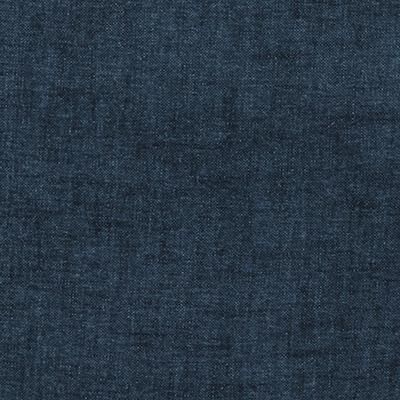
Elyse Denim Fabric By The Yard - Ballard DesignsOur Elyse Denim fabric is so soft and cozy, you'll want to use it everywhere on upholstery, decorative pillows, and drapery panels. This thick, velvety chenille fabric by the yard is woven of durable polyester in a deep, saturated denim blue hue....60,80 $*Shipping: 179,00 $Secure redirect to the provider
-
Elyse Ivory Fabric By The Yard - Ballard DesignsOur Elyse Ivory fabric is so soft and cozy, you'll want to use it everywhere on upholstery, decorative pillows, and drapery panels. This thick, velvety chenille fabric by the yard is woven of durable polyester in a deep, saturated ivory hue. Elyse...60,80 $*Shipping: 179,00 $Secure redirect to the provider
-
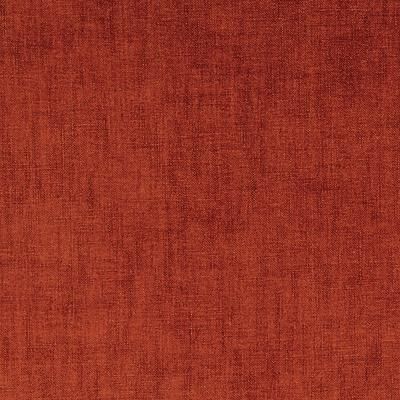
Elyse Cayenne Fabric By The Yard - Ballard DesignsOur Elyse Cayenne fabric is so soft and cozy, you'll want to use it everywhere on upholstery, decorative pillows, and drapery panels. This thick, velvety chenille fabric by the yard is woven of durable polyester in a deep, saturated cayenne hue....60,80 $*Shipping: 179,00 $Secure redirect to the provider


-
Who produces charcoal?
Charcoal is typically produced by burning wood in a low-oxygen environment, a process known as pyrolysis. This can be done on a small scale by individuals for personal use or on a larger scale by commercial operations. Charcoal is also produced as a byproduct of other industries, such as the production of steel or sugar. **
-
Is charcoal dangerous?
Charcoal itself is not inherently dangerous, but it can pose risks if not used properly. When burned, charcoal produces carbon monoxide, a colorless, odorless gas that can be harmful or even deadly if inhaled in high concentrations. Therefore, it is important to always use charcoal in a well-ventilated area to prevent the buildup of carbon monoxide. Additionally, ingesting charcoal can be dangerous and should be avoided. Overall, when used safely and responsibly, charcoal can be a useful and effective fuel source for cooking and heating. **
-
Is it possible to use charcoal instead of activated charcoal?
While charcoal and activated charcoal may look similar, they are not the same. Activated charcoal has been specially treated to increase its surface area and make it more porous, which enhances its ability to adsorb toxins and impurities. Regular charcoal, on the other hand, may not have the same adsorption capabilities. Therefore, it is not recommended to use regular charcoal as a substitute for activated charcoal in medical or purification applications. **
-
Is sewing organza fabric by hand very difficult?
Sewing organza fabric by hand can be challenging due to its delicate and slippery nature. The fabric is sheer and lightweight, making it prone to fraying and difficult to handle. Additionally, its transparency can make it tricky to hide stitches and knots. However, with patience, practice, and the right techniques, it is possible to sew organza fabric by hand successfully. Using fine needles, sharp scissors, and lightweight thread can help make the process easier. **


Can you eat charcoal?
While charcoal is not meant to be consumed, there are certain types of activated charcoal that are safe for consumption in small amounts. Activated charcoal is sometimes used in emergency situations to treat certain types of poisoning or overdose. However, it is important to note that consuming charcoal regularly or in large amounts can be harmful and interfere with the absorption of nutrients in the body. It is always best to consult with a healthcare professional before consuming charcoal for any purpose. **
Where is charcoal produced?
Charcoal is produced through a process called pyrolysis, which involves heating wood, coconut shells, or other organic materials in the absence of oxygen. This process can be carried out in traditional kilns or modern industrial retorts. Charcoal production is commonly found in areas with abundant sources of wood or coconut shells, such as forests, plantations, or rural areas. **
Top-Angebote
Products related to Elyse-Charcoal-Fabric-By:
-
Elyse Charcoal Fabric By The Yard - Ballard DesignsOur Elyse Charcoal fabric is so soft and cozy, you'll want to use it everywhere on upholstery, decorative pillows, and drapery panels. This thick, velvety chenille fabric by the yard is woven of durable polyester in a deep, saturated charcoal hue....60,80 $*Shipping: 179,00 $Secure redirect to the provider
-
Elyse Spa Fabric By The Yard - Ballard DesignsOur Elyse Spa fabric is so soft and cozy, you'll want to use it everywhere on upholstery, decorative pillows, and drapery panels. This thick, velvety chenille fabric by the yard is woven of durable polyester in a deep, saturated spa blue hue. Elyse...60,80 $*Shipping: 179,00 $Secure redirect to the provider
-
Elyse Taupe Fabric By The Yard - Ballard DesignsOur Elyse Taupe fabric is so soft and cozy, you'll want to use it everywhere on upholstery, decorative pillows, and drapery panels. This thick, velvety chenille fabric by the yard is woven of durable polyester in a deep, saturated taupe hue. Elyse...60,80 $*Shipping: 179,00 $Secure redirect to the provider
-
Elyse Denim Fabric By The Yard - Ballard DesignsOur Elyse Denim fabric is so soft and cozy, you'll want to use it everywhere on upholstery, decorative pillows, and drapery panels. This thick, velvety chenille fabric by the yard is woven of durable polyester in a deep, saturated denim blue hue....60,80 $*Shipping: 179,00 $Secure redirect to the provider
-
How is carbon monoxide produced by charcoal?
Carbon monoxide is produced by charcoal when it is burned in a low oxygen environment, such as in a closed space or poorly ventilated area. When charcoal burns, it releases carbon monoxide gas as a byproduct of incomplete combustion. This colorless, odorless gas can be dangerous if inhaled in high concentrations, leading to symptoms such as dizziness, headaches, and even death. It is important to always use charcoal in a well-ventilated area to prevent the buildup of carbon monoxide. **
-
What filters best, ash, charcoal, or activated charcoal?
Activated charcoal is the best filter among the three options. It has a larger surface area and more porous structure, allowing it to effectively trap and remove impurities from air and water. Ash and regular charcoal may also have some filtering properties, but they are not as effective as activated charcoal. Therefore, when it comes to filtering, activated charcoal is the superior choice. **
-
Who produces charcoal?
Charcoal is typically produced by burning wood in a low-oxygen environment, a process known as pyrolysis. This can be done on a small scale by individuals for personal use or on a larger scale by commercial operations. Charcoal is also produced as a byproduct of other industries, such as the production of steel or sugar. **
-
Is charcoal dangerous?
Charcoal itself is not inherently dangerous, but it can pose risks if not used properly. When burned, charcoal produces carbon monoxide, a colorless, odorless gas that can be harmful or even deadly if inhaled in high concentrations. Therefore, it is important to always use charcoal in a well-ventilated area to prevent the buildup of carbon monoxide. Additionally, ingesting charcoal can be dangerous and should be avoided. Overall, when used safely and responsibly, charcoal can be a useful and effective fuel source for cooking and heating. **
Similar search terms for Elyse-Charcoal-Fabric-By
-
Elyse Ivory Fabric By The Yard - Ballard DesignsOur Elyse Ivory fabric is so soft and cozy, you'll want to use it everywhere on upholstery, decorative pillows, and drapery panels. This thick, velvety chenille fabric by the yard is woven of durable polyester in a deep, saturated ivory hue. Elyse...60,80 $*Shipping: 179,00 $Secure redirect to the provider
-
Elyse Cayenne Fabric By The Yard - Ballard DesignsOur Elyse Cayenne fabric is so soft and cozy, you'll want to use it everywhere on upholstery, decorative pillows, and drapery panels. This thick, velvety chenille fabric by the yard is woven of durable polyester in a deep, saturated cayenne hue....60,80 $*Shipping: 179,00 $Secure redirect to the provider
-
Elyse Blue Fabric By The Yard - Ballard DesignsOur Elyse Blue fabric is so soft and cozy, you'll want to use it everywhere on upholstery, decorative pillows, and drapery panels. This thick, velvety chenille fabric by the yard is woven of durable polyester in a deep, saturated navy blue hue....60,80 $*Shipping: 179,00 $Secure redirect to the provider
-
Elyse Green Fabric By The Yard - Ballard DesignsOur Elyse Green fabric is so soft and cozy, you'll want to use it everywhere on upholstery, decorative pillows, and drapery panels. This thick, velvety chenille fabric by the yard is woven of durable polyester in a deep, saturated grass green hue....60,80 $*Shipping: 179,00 $Secure redirect to the provider
-
Is it possible to use charcoal instead of activated charcoal?
While charcoal and activated charcoal may look similar, they are not the same. Activated charcoal has been specially treated to increase its surface area and make it more porous, which enhances its ability to adsorb toxins and impurities. Regular charcoal, on the other hand, may not have the same adsorption capabilities. Therefore, it is not recommended to use regular charcoal as a substitute for activated charcoal in medical or purification applications. **
-
Is sewing organza fabric by hand very difficult?
Sewing organza fabric by hand can be challenging due to its delicate and slippery nature. The fabric is sheer and lightweight, making it prone to fraying and difficult to handle. Additionally, its transparency can make it tricky to hide stitches and knots. However, with patience, practice, and the right techniques, it is possible to sew organza fabric by hand successfully. Using fine needles, sharp scissors, and lightweight thread can help make the process easier. **
-
Can you eat charcoal?
While charcoal is not meant to be consumed, there are certain types of activated charcoal that are safe for consumption in small amounts. Activated charcoal is sometimes used in emergency situations to treat certain types of poisoning or overdose. However, it is important to note that consuming charcoal regularly or in large amounts can be harmful and interfere with the absorption of nutrients in the body. It is always best to consult with a healthcare professional before consuming charcoal for any purpose. **
-
Where is charcoal produced?
Charcoal is produced through a process called pyrolysis, which involves heating wood, coconut shells, or other organic materials in the absence of oxygen. This process can be carried out in traditional kilns or modern industrial retorts. Charcoal production is commonly found in areas with abundant sources of wood or coconut shells, such as forests, plantations, or rural areas. **
* All prices are inclusive of VAT and, if applicable, plus shipping costs. The offer information is based on the details provided by the respective shop and is updated through automated processes. Real-time updates do not occur, so deviations can occur in individual cases. ** Note: Parts of this content were created by AI.