Buy reviewing.com ?
We are moving the project
reviewing.com .
Are you interested in purchasing the domain
reviewing.com ?
domain@kv-gmbh.de · 0541-91531010
Buy reviewing.com ?
What is a music analysis 2?
A music analysis 2 is a more in-depth examination of a musical piece, building upon the concepts and techniques introduced in a music analysis 1. It involves a deeper exploration of musical elements such as melody, harmony, rhythm, form, and texture, as well as an examination of the historical and cultural context of the music. Students may also learn more advanced analytical tools and methodologies to further understand and interpret the music. Overall, a music analysis 2 aims to provide a more comprehensive understanding of the complexities and nuances within a musical composition. **
What is music theory and analysis?
Music theory and analysis is the study of the structure and elements of music, including harmony, melody, rhythm, and form. It involves understanding how music is put together and how it functions, as well as the principles and rules that govern musical composition. Analysis involves breaking down a piece of music to understand its components and how they work together to create the overall effect. Music theory and analysis are essential for musicians and composers to understand and communicate musical ideas effectively. **
Similar search terms for Music
Top-Angebote
Products related to Music:
-
Inspire Essentials RainbowSpin LED Music Windmill Toy RainbowSpin LED Music Windmill ToyLight up playtime with a colorful spinning toy designed to bring excitement, movement, and glowing fun to every moment. Perfect for kids, parties, festivals, and nighttime outdoor play, this LED windmill toy combines flashing rainbow lights,...37,48 $*Shipping: 0,00 $Secure redirect to the provider
-
Uplift Essentials 3D Wooden Puzzle Music Box DIY Piano Model Kit violin Music BoxExperience the harmony of craftsmanship and mechanics with our 3D Wooden Puzzle Music Box. This piano model kit offers an engaging DIY assembly experience, allowing both adults and kids to build a detailed, functional musical instrument from the...61,97 $*Shipping: 0,00 $Secure redirect to the provider
-
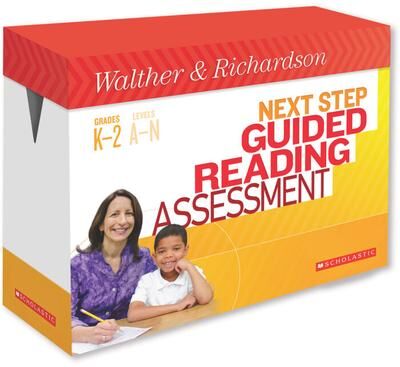
Scholastic Next Step Guided Reading Assessment, K-2Developed by leading literacy experts Jan Richardson, Ph.D., and Maria Walther, Ed.D., Next Step Guided Reading Assessment uses Richardson's proven Assess-Decide-Guide teaching system to pinpoint students' reading level and target instructional next...489,00 $*Shipping: 0,00 $Secure redirect to the provider



-
What is functional analysis and level analysis in music?
Functional analysis in music refers to the study of how different musical elements such as harmony, melody, rhythm, and form work together to create a cohesive and expressive musical structure. It involves analyzing the function of each element within a piece of music and how they contribute to the overall musical meaning and emotional impact. Level analysis, on the other hand, involves examining the different hierarchical levels of musical structure, such as the phrase, section, movement, and entire composition. It focuses on understanding how these levels interact and contribute to the overall organization and coherence of the music. Both functional analysis and level analysis are important tools for music scholars and performers to understand the inner workings of a piece of music and to interpret and perform it effectively. **
-
What is a harmonic analysis in music?
Harmonic analysis in music is the process of studying and understanding the chords and harmonic progressions within a piece of music. It involves identifying the underlying harmonic structure, chord progressions, and relationships between different chords. By analyzing the harmony of a piece, musicians can gain insights into the composer's intentions, the emotional impact of the music, and how different elements work together to create a cohesive musical work. This analysis can help performers interpret the music more effectively and can also aid in composition and music theory studies. **
-
How do I write a music analysis?
To write a music analysis, start by listening to the piece multiple times to familiarize yourself with its structure, instrumentation, and overall sound. Take notes on the key elements such as melody, harmony, rhythm, dynamics, and form. Analyze how these elements work together to create the mood and meaning of the music. Support your analysis with specific examples from the piece, and consider the historical and cultural context in which the music was created. Finally, conclude your analysis by summarizing your findings and offering your interpretation of the music. **
-
How do you conduct a music analysis?
To conduct a music analysis, start by listening to the piece multiple times to familiarize yourself with its structure, melody, harmony, rhythm, and dynamics. Then, consider the historical and cultural context of the music, as well as the composer's intentions and influences. Next, analyze the form and structure of the piece, identifying key themes, motifs, and developments. Finally, consider the emotional and expressive qualities of the music, and how it communicates its message to the listener. Throughout the analysis, it's important to use musical terminology and references to support your observations and interpretations. **

How can I get more feedback for my music?
To get more feedback for your music, you can start by sharing your music on various platforms such as social media, music forums, and music sharing websites. Engage with your audience by asking for their opinions and feedback on your music. You can also reach out to music bloggers, influencers, and music reviewers to get their feedback and potentially reach a wider audience. Lastly, consider joining music communities or groups where you can connect with other musicians and receive constructive criticism on your work. **
How do you write a film music analysis?
To write a film music analysis, start by watching the movie and paying close attention to the music. Take notes on the different themes, motifs, and emotions evoked by the music throughout the film. Analyze how the music enhances the storytelling, character development, and overall mood of the movie. Consider the instrumentation, tempo, dynamics, and use of leitmotifs in the score. Finally, organize your thoughts into a coherent analysis that explores the impact of the music on the viewer's experience of the film. **
Top-Angebote
Products related to Music:
-
Inspire Essentials RainbowSpin LED Music Windmill Toy RainbowSpin LED Music Windmill ToyLight up playtime with a colorful spinning toy designed to bring excitement, movement, and glowing fun to every moment. Perfect for kids, parties, festivals, and nighttime outdoor play, this LED windmill toy combines flashing rainbow lights,...37,48 $*Shipping: 0,00 $Secure redirect to the provider
-
Uplift Essentials 3D Wooden Puzzle Music Box DIY Piano Model Kit violin Music BoxExperience the harmony of craftsmanship and mechanics with our 3D Wooden Puzzle Music Box. This piano model kit offers an engaging DIY assembly experience, allowing both adults and kids to build a detailed, functional musical instrument from the...61,97 $*Shipping: 0,00 $Secure redirect to the provider
-
What is a music analysis 2?
A music analysis 2 is a more in-depth examination of a musical piece, building upon the concepts and techniques introduced in a music analysis 1. It involves a deeper exploration of musical elements such as melody, harmony, rhythm, form, and texture, as well as an examination of the historical and cultural context of the music. Students may also learn more advanced analytical tools and methodologies to further understand and interpret the music. Overall, a music analysis 2 aims to provide a more comprehensive understanding of the complexities and nuances within a musical composition. **
-
What is music theory and analysis?
Music theory and analysis is the study of the structure and elements of music, including harmony, melody, rhythm, and form. It involves understanding how music is put together and how it functions, as well as the principles and rules that govern musical composition. Analysis involves breaking down a piece of music to understand its components and how they work together to create the overall effect. Music theory and analysis are essential for musicians and composers to understand and communicate musical ideas effectively. **
-
What is functional analysis and level analysis in music?
Functional analysis in music refers to the study of how different musical elements such as harmony, melody, rhythm, and form work together to create a cohesive and expressive musical structure. It involves analyzing the function of each element within a piece of music and how they contribute to the overall musical meaning and emotional impact. Level analysis, on the other hand, involves examining the different hierarchical levels of musical structure, such as the phrase, section, movement, and entire composition. It focuses on understanding how these levels interact and contribute to the overall organization and coherence of the music. Both functional analysis and level analysis are important tools for music scholars and performers to understand the inner workings of a piece of music and to interpret and perform it effectively. **
-
What is a harmonic analysis in music?
Harmonic analysis in music is the process of studying and understanding the chords and harmonic progressions within a piece of music. It involves identifying the underlying harmonic structure, chord progressions, and relationships between different chords. By analyzing the harmony of a piece, musicians can gain insights into the composer's intentions, the emotional impact of the music, and how different elements work together to create a cohesive musical work. This analysis can help performers interpret the music more effectively and can also aid in composition and music theory studies. **
Similar search terms for Music
-
Scholastic Next Step Guided Reading Assessment, K-2Developed by leading literacy experts Jan Richardson, Ph.D., and Maria Walther, Ed.D., Next Step Guided Reading Assessment uses Richardson's proven Assess-Decide-Guide teaching system to pinpoint students' reading level and target instructional next...489,00 $*Shipping: 0,00 $Secure redirect to the provider
-
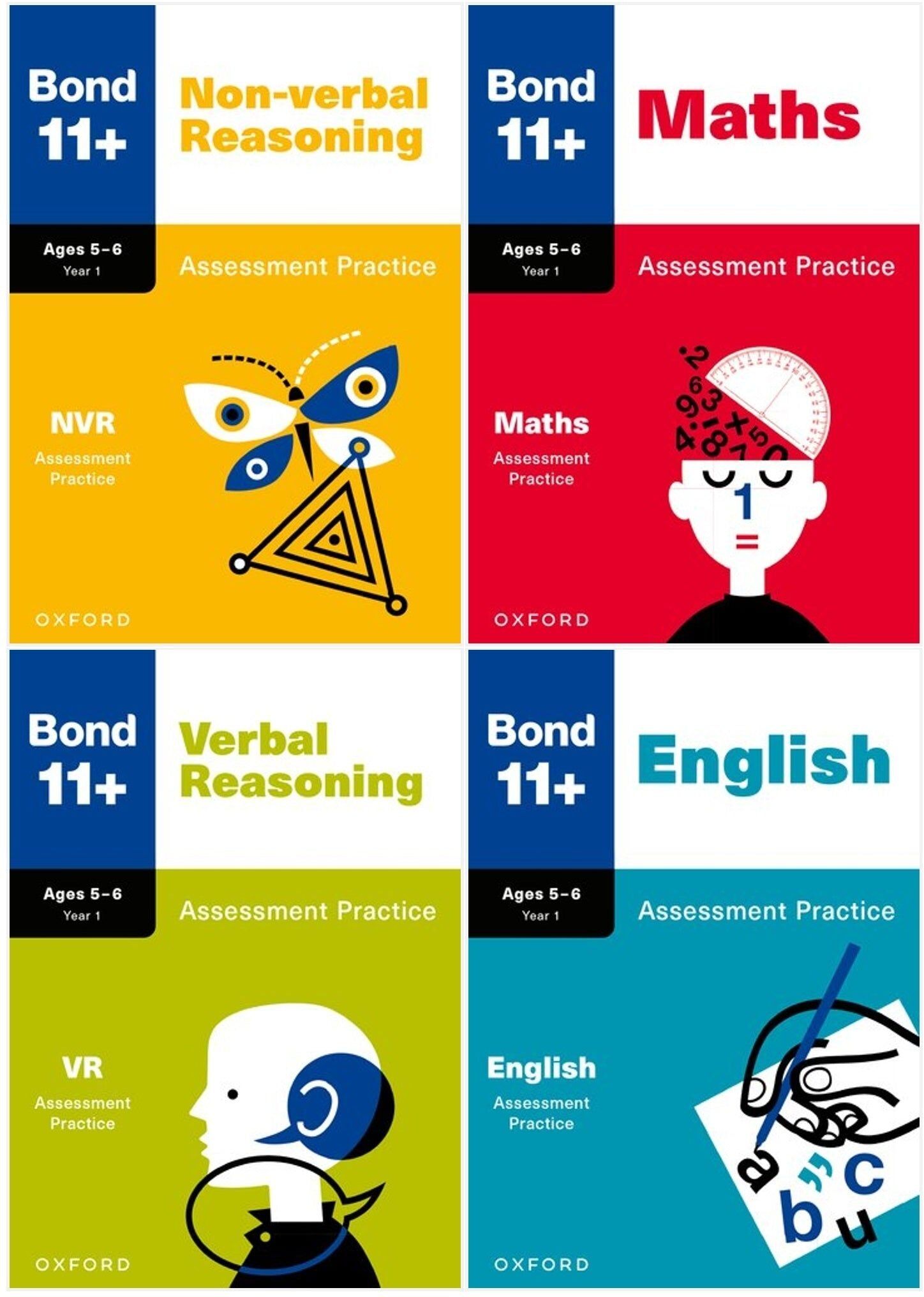
OXFORD UNIVERSITY PRESS Bond 11+ Maths English Verbal Non-Verbal Reasoning Assessment Practice 5-6 years 4 Books Set (Bond Assessment Papers)Bond 11+ English; Maths; Non-verbal Reasoning; Verbal Reasoning Assessment Practice 4 Books Set (Age 5-6) The pack includes the following 4 books (Bond 11 Plus books) Bond 11+ Maths Assessment Practice Ages 5-6 Bond Maths Assessment Practice for 5-6 years are topic-based practice questions that set the foundation for success in SATs; common entrance or 11+ exams. They have been written to cover the core National Curriculum skills and cover the question types used in 11+ exams; building the skills and confidence for exam success. Bond 11+ English Assessment Practice Ages 5-6 Bond English Assessment Practice for 5-6 years are topic-based practice questions that set the foundation for success in SATs; common entrance or 11+ exams. They have been written to cover the core National Curriculum skills and cover the question types used in 11+ exams; building the skills and confidence for exam success Bond 11+ Verbal Reasoning Assessment Practice Ages 5-6 Bond Verbal Reasoning Assessment Practice for 5-6 years introduces children to verbal reasoning problem-solving skills; encouraging thinking skills and providing early preparation for Common Entrance and 11+ exams. Bond 11+ Non-Verbal Reasoning Assessment Practice Ages 5-6 Bond Non-verbal Reasoning Assessment Practice for 5-6 years introduces children to non-verbal reasoning problem-solving skills; encouraging thinking skills and providing early preparation for Common Entrance and 11+ exams.14,40 £*Shipping: 2,99 £Secure redirect to the provider
-
Uplift Essentials 3D Wooden Puzzle Music Box DIY Piano Model Kit piano Music BoxExperience the harmony of craftsmanship and mechanics with our 3D Wooden Puzzle Music Box. This piano model kit offers an engaging DIY assembly experience, allowing both adults and kids to build a detailed, functional musical instrument from the...80,97 $*Shipping: 0,00 $Secure redirect to the provider
-
How do I write a music analysis?
To write a music analysis, start by listening to the piece multiple times to familiarize yourself with its structure, instrumentation, and overall sound. Take notes on the key elements such as melody, harmony, rhythm, dynamics, and form. Analyze how these elements work together to create the mood and meaning of the music. Support your analysis with specific examples from the piece, and consider the historical and cultural context in which the music was created. Finally, conclude your analysis by summarizing your findings and offering your interpretation of the music. **
-
How do you conduct a music analysis?
To conduct a music analysis, start by listening to the piece multiple times to familiarize yourself with its structure, melody, harmony, rhythm, and dynamics. Then, consider the historical and cultural context of the music, as well as the composer's intentions and influences. Next, analyze the form and structure of the piece, identifying key themes, motifs, and developments. Finally, consider the emotional and expressive qualities of the music, and how it communicates its message to the listener. Throughout the analysis, it's important to use musical terminology and references to support your observations and interpretations. **
-
How can I get more feedback for my music?
To get more feedback for your music, you can start by sharing your music on various platforms such as social media, music forums, and music sharing websites. Engage with your audience by asking for their opinions and feedback on your music. You can also reach out to music bloggers, influencers, and music reviewers to get their feedback and potentially reach a wider audience. Lastly, consider joining music communities or groups where you can connect with other musicians and receive constructive criticism on your work. **
-
How do you write a film music analysis?
To write a film music analysis, start by watching the movie and paying close attention to the music. Take notes on the different themes, motifs, and emotions evoked by the music throughout the film. Analyze how the music enhances the storytelling, character development, and overall mood of the movie. Consider the instrumentation, tempo, dynamics, and use of leitmotifs in the score. Finally, organize your thoughts into a coherent analysis that explores the impact of the music on the viewer's experience of the film. **
* All prices are inclusive of VAT and, if applicable, plus shipping costs. The offer information is based on the details provided by the respective shop and is updated through automated processes. Real-time updates do not occur, so deviations can occur in individual cases. ** Note: Parts of this content were created by AI.