Buy reviewing.com ?
We are moving the project
reviewing.com .
Are you interested in purchasing the domain
reviewing.com ?
domain@kv-gmbh.de · 0541-91531010
Buy reviewing.com ?
How do you write an evaluation in the subject of history?
When writing an evaluation in the subject of history, it is important to provide a critical analysis of the historical event, person, or period being evaluated. Start by providing a brief overview of the topic and its historical context. Then, analyze the significance and impact of the topic, considering its social, political, economic, and cultural implications. Support your evaluation with evidence from primary and secondary sources, and consider different perspectives and interpretations. Finally, conclude by summarizing your evaluation and discussing its broader historical significance. **
How do I write an analysis of a subject?
To write an analysis of a subject, start by thoroughly researching and understanding the topic. Next, identify the key components or aspects of the subject that you want to analyze. Then, organize your analysis by breaking down the subject into different parts and examining each part in detail. Support your analysis with evidence, examples, and relevant data to strengthen your arguments. Finally, conclude your analysis by summarizing your findings and providing insights or interpretations based on your analysis. **
Similar search terms for Subject
Top-Angebote
Products related to Subject:
-
Arcturus A Degree in a Book: Psychology by Alan Porter Everything You Need to Know to Master the Subject - in One Book!A perfect introduction for students and laypeople alike, A Degree in a Book: Psychology provides you with all the concepts you need to understand the fundamental issues. Filled with helpful diagrams, suggestions for further reading, and easily digestible features on the history of psychology, this book makes understanding the human mind easier than ever. Including the theories of Francis Galton, Sigmund Freud, Ivan Pavlov, and many more, it covers the whole range of psychological research. By the time you finish reading this book, you will be able to answer questions such as: How do we learn? Do groups make better decisions than individuals? How do we study the living brain? What are the components of personality?8,95 £*Shipping: 2,99 £Secure redirect to the provider
-
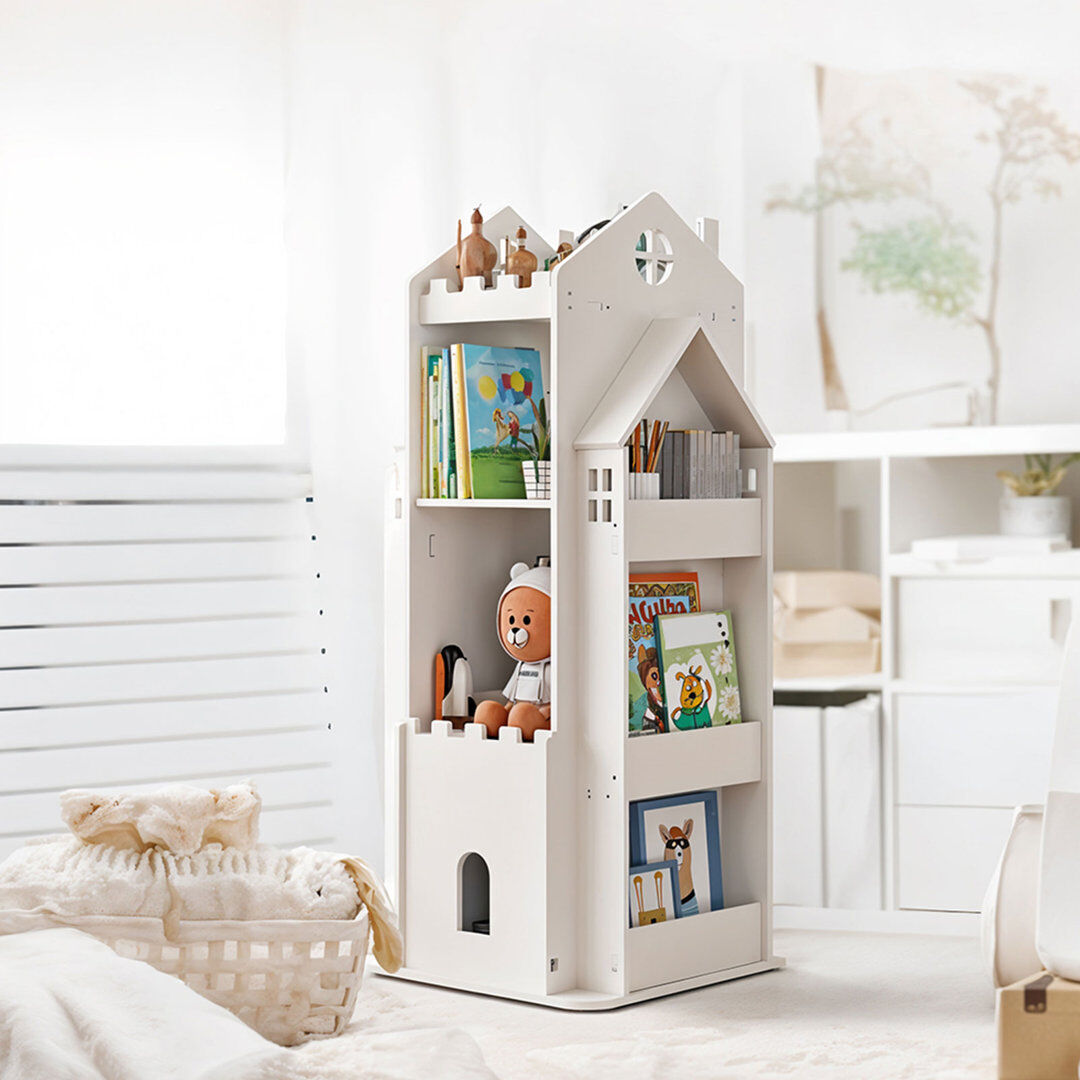
Harriet Bee 95cm H X 1cm W PVC Wood Plastic Board + Co-extruded Board + ABS No Subject Kids Bookcase White 95cm H X 1cm W X 41cm D;95Discover this enchanting castle-shaped bookshelf for children, which decorates their room and creates a fun learning space. With its four-tier design, it easily accommodates picture books, toys, or green plants, encouraging children to organise items by category. The specially designed 360-degree rotating enlarged base ensures easy and quick access from any angle, offering stability without wobbling. Moreover, creating a reading nook with this bookshelf boosts the reading skills of children and imagination while strengthening the parent-child bond. It serves as both a treasure trove of knowledge and a display for toys or storage for accessories, creating a space where learning and play come together harmoniously. Harriet Bee48,99 £*Shipping: 4,99 £Secure redirect to the provider
-
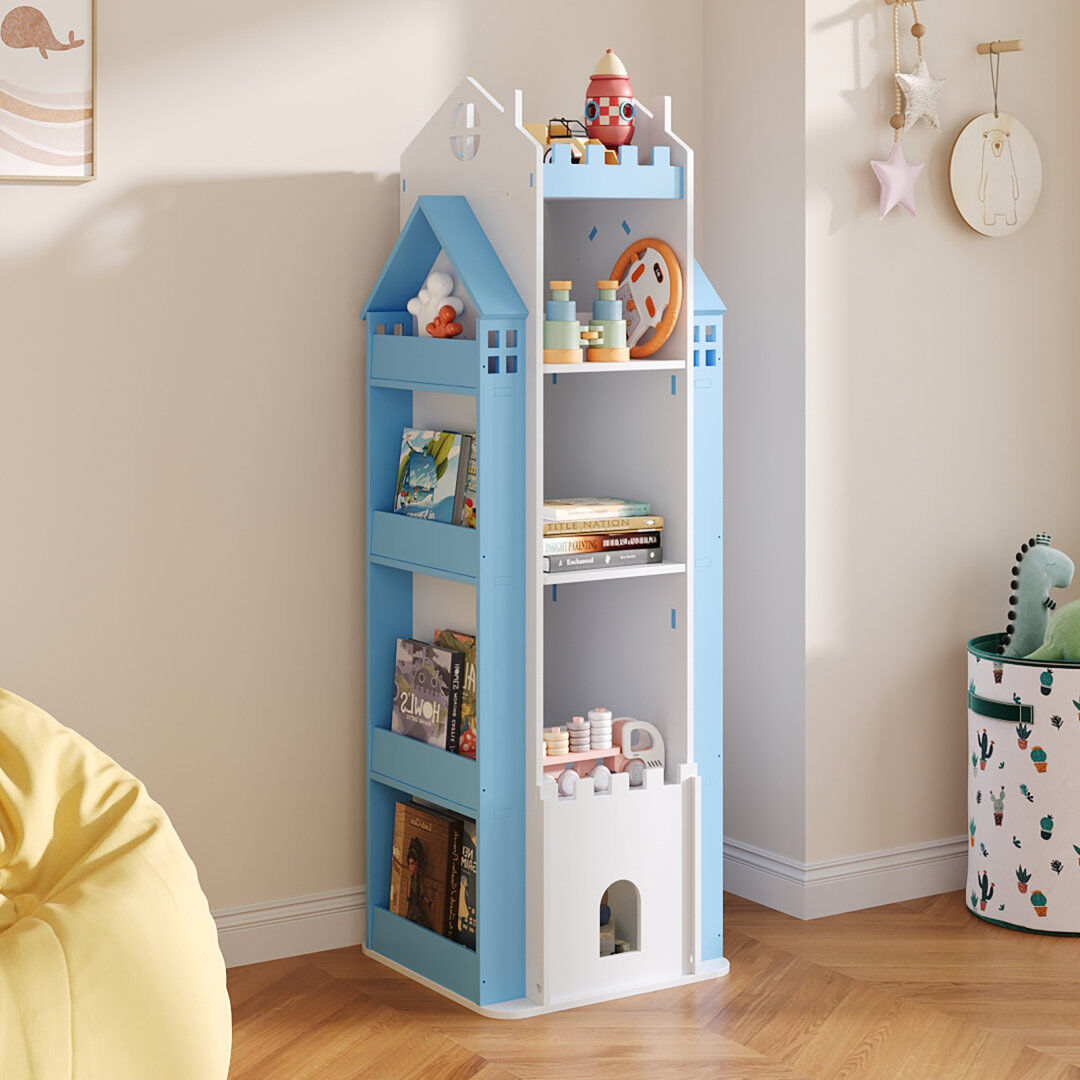
Harriet Bee 140cm H X 1cm W PVC Wood Plastic Board + Co-extruded Board + ABS No Subject Kids Bookcase White + Blue 140cm H X 1cm W X 45cm D;140Discover this enchanting castle-shaped bookshelf for children, which decorates their room and creates a fun learning space. With its five-tier design, it easily accommodates picture books, toys, or green plants, encouraging children to organise items by category. The specially designed 360-degree rotating enlarged base ensures easy and quick access from any angle, offering stability without wobbling. Moreover, creating a reading nook with this bookshelf boosts the reading skills of children and imagination while strengthening the parent-child bond. It serves as both a treasure trove of knowledge and a display for toys or storage for accessories, creating a space where learning and play come together harmoniously. Harriet Bee62,99 £*Shipping: 0,00 £Secure redirect to the provider

-
Which subject is the most stupid subject?
As an AI, I don't believe any subject is inherently "stupid." Each subject has its own value and importance, and what may be considered "stupid" to one person may be incredibly valuable and interesting to another. It's important to approach all subjects with an open mind and a willingness to learn, as each one has the potential to broaden our understanding of the world. **
-
Which main subject and which substitute subject?
The main subject is the primary topic or theme of a discussion or piece of writing, while the substitute subject is an alternative or secondary topic that can be used to replace the main subject. In a conversation about climate change, the main subject might be the impact of rising global temperatures, while a substitute subject could be the role of renewable energy in mitigating climate change. It's important to distinguish between the main subject and substitute subject in order to effectively communicate and understand the key points being discussed. **
-
How do you conduct a text analysis in the subject of German?
To conduct a text analysis in the subject of German, one typically starts by reading the text carefully to understand its content and context. Then, one can identify key themes, motifs, and literary devices used in the text. It is important to pay attention to the language, style, and structure of the text to analyze its meaning and significance. Additionally, comparing the text to other works or historical events can provide further insights into its interpretation. **
-
What is the difference between Subject-Verb-Object (SVO) and Subject-Subject-Verb (SSV) sentences?
The main difference between Subject-Verb-Object (SVO) and Subject-Subject-Verb (SSV) sentences lies in the order of the elements. In SVO sentences, the subject comes first, followed by the verb, and then the object. In SSV sentences, there are two subjects followed by the verb. This difference in structure can impact the emphasis and clarity of the sentence, as well as the overall flow of information. **
Could you give me a research question for my subject-specific internal assessment (FIP)?
Sure! For a subject-specific internal assessment (FIP), you could consider a research question that delves into a specific aspect of your subject area. For example, if your subject is biology, you could explore a research question related to the impact of environmental factors on a specific species. If your subject is history, you could investigate the role of a particular historical figure or event in shaping a specific period of time. The key is to choose a research question that allows you to explore a specific aspect of your subject in depth and draw meaningful conclusions. **
Which minor subject?
The minor subject is a secondary area of study that complements the major subject chosen by a student. It allows students to explore a different field of interest and gain additional knowledge and skills. By completing a minor subject, students can broaden their academic experience and enhance their career opportunities in multiple areas. **
Top-Angebote
Products related to Subject:
-
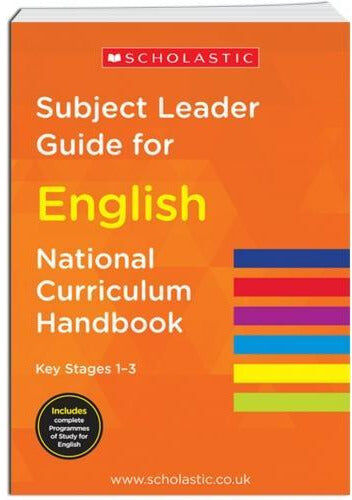
Scholastic National Curriculum Handbook Subject Leader Guide For English Key Stage 1-3National Curriculum Handbook Subject Leader Guide for English Key Stage 1-3 Description: Get ready for the biggest curriculum change in more than a decade! To help coordinators to deliver the new curriculum; Scholastic has published the first complete printed programme of study for key stages 1-3 in English. Each guide also provides a wealth of subject leader support including: an overview of the main changes to the curriculum; an overview of the subject leader's role at times of curriculum change; priority areas at each key stage; how to add creativity to the new curriculum; helpful subject leader's check-list. Scholastic; publisher of the best-selling 100 Lessons series; has partnered with Babcock Learning and Development Partnership (Devon Local Authority); one of the UK's leading school improvement services; to develop these essential subject guides.9,99 £*Shipping: 2,99 £Secure redirect to the provider
-
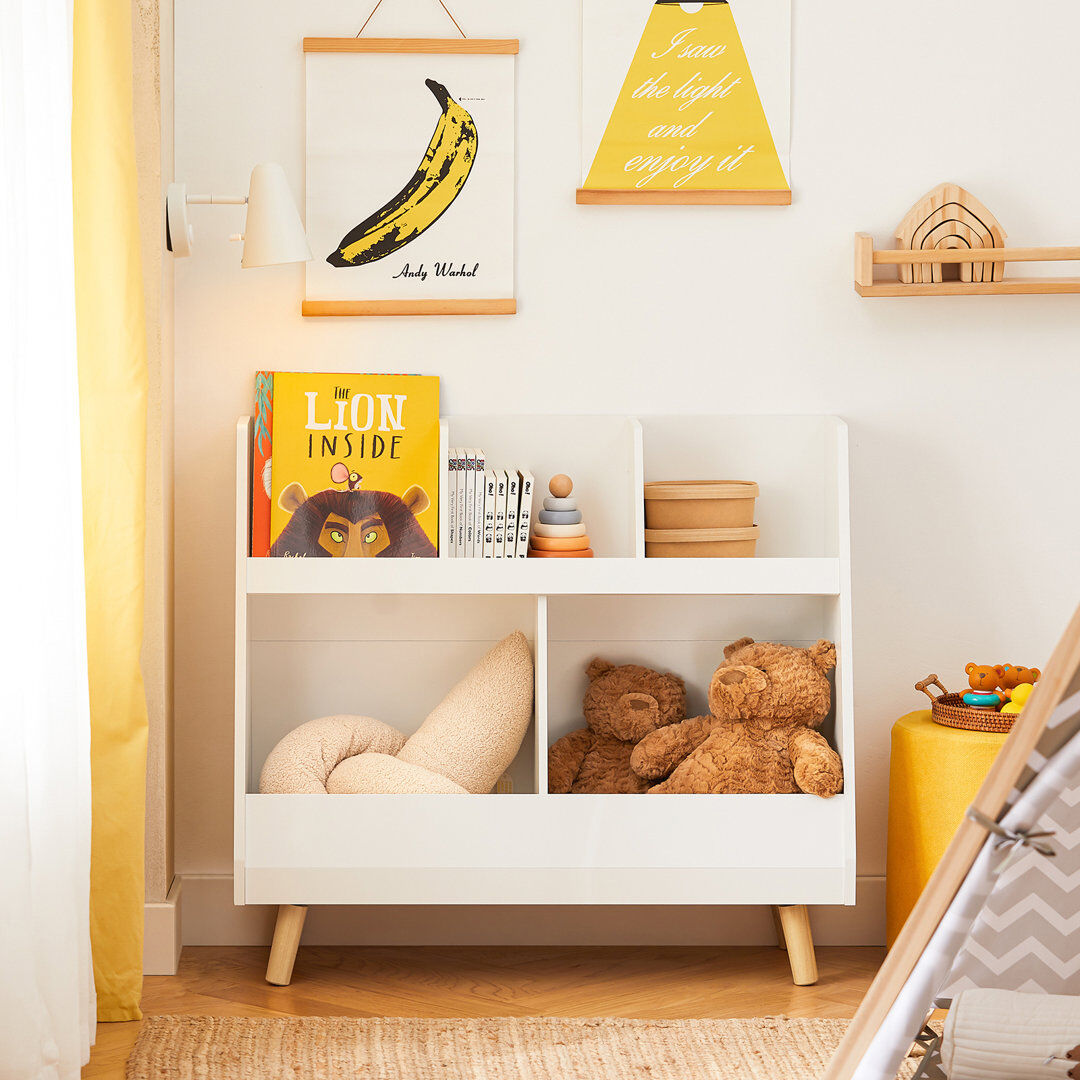
17 Stories Wabash 78cm H X 86cm W No Subject Kids White 78cm H X 86cm W X 36cm DWhen you have lots of toys or countless books, it's not always easy to find the one you want. This children's bookcase makes it much easier for your child to keep track of their belongings. This bookcase lets your child take out their toys themselves, and put them away afterward. The open design makes it easier to find books and helps create a clean and warm reading environment. The shelf is made of high-quality MDF wood, making it sturdy, and durable. The legs are made of solid wood, making them very durable and able to withstand heavy loads and ensure your child stays safe. Versatile and easy to combine with other pieces, this is more than just a simple children's bookcase - it can also be used as an office shelf, bookcase, or much more. 17 Stories Colour: White108,99 £*Shipping: 0,00 £Secure redirect to the provider
-
Arcturus A Degree in a Book: Psychology by Alan Porter Everything You Need to Know to Master the Subject - in One Book!A perfect introduction for students and laypeople alike, A Degree in a Book: Psychology provides you with all the concepts you need to understand the fundamental issues. Filled with helpful diagrams, suggestions for further reading, and easily digestible features on the history of psychology, this book makes understanding the human mind easier than ever. Including the theories of Francis Galton, Sigmund Freud, Ivan Pavlov, and many more, it covers the whole range of psychological research. By the time you finish reading this book, you will be able to answer questions such as: How do we learn? Do groups make better decisions than individuals? How do we study the living brain? What are the components of personality?8,95 £*Shipping: 2,99 £Secure redirect to the provider
-
Harriet Bee 95cm H X 1cm W PVC Wood Plastic Board + Co-extruded Board + ABS No Subject Kids Bookcase White 95cm H X 1cm W X 41cm D;95Discover this enchanting castle-shaped bookshelf for children, which decorates their room and creates a fun learning space. With its four-tier design, it easily accommodates picture books, toys, or green plants, encouraging children to organise items by category. The specially designed 360-degree rotating enlarged base ensures easy and quick access from any angle, offering stability without wobbling. Moreover, creating a reading nook with this bookshelf boosts the reading skills of children and imagination while strengthening the parent-child bond. It serves as both a treasure trove of knowledge and a display for toys or storage for accessories, creating a space where learning and play come together harmoniously. Harriet Bee48,99 £*Shipping: 4,99 £Secure redirect to the provider
-
How do you write an evaluation in the subject of history?
When writing an evaluation in the subject of history, it is important to provide a critical analysis of the historical event, person, or period being evaluated. Start by providing a brief overview of the topic and its historical context. Then, analyze the significance and impact of the topic, considering its social, political, economic, and cultural implications. Support your evaluation with evidence from primary and secondary sources, and consider different perspectives and interpretations. Finally, conclude by summarizing your evaluation and discussing its broader historical significance. **
-
How do I write an analysis of a subject?
To write an analysis of a subject, start by thoroughly researching and understanding the topic. Next, identify the key components or aspects of the subject that you want to analyze. Then, organize your analysis by breaking down the subject into different parts and examining each part in detail. Support your analysis with evidence, examples, and relevant data to strengthen your arguments. Finally, conclude your analysis by summarizing your findings and providing insights or interpretations based on your analysis. **
-
Which subject is the most stupid subject?
As an AI, I don't believe any subject is inherently "stupid." Each subject has its own value and importance, and what may be considered "stupid" to one person may be incredibly valuable and interesting to another. It's important to approach all subjects with an open mind and a willingness to learn, as each one has the potential to broaden our understanding of the world. **
-
Which main subject and which substitute subject?
The main subject is the primary topic or theme of a discussion or piece of writing, while the substitute subject is an alternative or secondary topic that can be used to replace the main subject. In a conversation about climate change, the main subject might be the impact of rising global temperatures, while a substitute subject could be the role of renewable energy in mitigating climate change. It's important to distinguish between the main subject and substitute subject in order to effectively communicate and understand the key points being discussed. **
Similar search terms for Subject
-
Harriet Bee 140cm H X 1cm W PVC Wood Plastic Board + Co-extruded Board + ABS No Subject Kids Bookcase White + Blue 140cm H X 1cm W X 45cm D;140Discover this enchanting castle-shaped bookshelf for children, which decorates their room and creates a fun learning space. With its five-tier design, it easily accommodates picture books, toys, or green plants, encouraging children to organise items by category. The specially designed 360-degree rotating enlarged base ensures easy and quick access from any angle, offering stability without wobbling. Moreover, creating a reading nook with this bookshelf boosts the reading skills of children and imagination while strengthening the parent-child bond. It serves as both a treasure trove of knowledge and a display for toys or storage for accessories, creating a space where learning and play come together harmoniously. Harriet Bee62,99 £*Shipping: 0,00 £Secure redirect to the provider
-
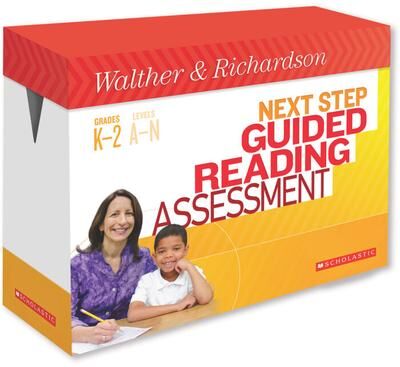
Scholastic Next Step Guided Reading Assessment, K-2Developed by leading literacy experts Jan Richardson, Ph.D., and Maria Walther, Ed.D., Next Step Guided Reading Assessment uses Richardson's proven Assess-Decide-Guide teaching system to pinpoint students' reading level and target instructional next...489,00 $*Shipping: 0,00 $Secure redirect to the provider
-
How do you conduct a text analysis in the subject of German?
To conduct a text analysis in the subject of German, one typically starts by reading the text carefully to understand its content and context. Then, one can identify key themes, motifs, and literary devices used in the text. It is important to pay attention to the language, style, and structure of the text to analyze its meaning and significance. Additionally, comparing the text to other works or historical events can provide further insights into its interpretation. **
-
What is the difference between Subject-Verb-Object (SVO) and Subject-Subject-Verb (SSV) sentences?
The main difference between Subject-Verb-Object (SVO) and Subject-Subject-Verb (SSV) sentences lies in the order of the elements. In SVO sentences, the subject comes first, followed by the verb, and then the object. In SSV sentences, there are two subjects followed by the verb. This difference in structure can impact the emphasis and clarity of the sentence, as well as the overall flow of information. **
-
Could you give me a research question for my subject-specific internal assessment (FIP)?
Sure! For a subject-specific internal assessment (FIP), you could consider a research question that delves into a specific aspect of your subject area. For example, if your subject is biology, you could explore a research question related to the impact of environmental factors on a specific species. If your subject is history, you could investigate the role of a particular historical figure or event in shaping a specific period of time. The key is to choose a research question that allows you to explore a specific aspect of your subject in depth and draw meaningful conclusions. **
-
Which minor subject?
The minor subject is a secondary area of study that complements the major subject chosen by a student. It allows students to explore a different field of interest and gain additional knowledge and skills. By completing a minor subject, students can broaden their academic experience and enhance their career opportunities in multiple areas. **
* All prices are inclusive of VAT and, if applicable, plus shipping costs. The offer information is based on the details provided by the respective shop and is updated through automated processes. Real-time updates do not occur, so deviations can occur in individual cases. ** Note: Parts of this content were created by AI.