Buy reviewing.com ?
We are moving the project
reviewing.com .
Are you interested in purchasing the domain
reviewing.com ?
domain@kv-gmbh.de · 0541-91531010
Buy reviewing.com ?
Symbiosis or Parasitism?
Symbiosis refers to a mutually beneficial relationship between two different species, where both organisms benefit from the interaction. On the other hand, parasitism is a type of relationship where one organism benefits at the expense of the other, causing harm to the host organism. To determine whether a relationship is symbiotic or parasitic, it is important to consider the impact of the interaction on both species involved. **
What are examples of symbiosis?
Examples of symbiosis include mutualism, where both organisms benefit from the relationship, such as the relationship between bees and flowers. Another example is commensalism, where one organism benefits and the other is neither helped nor harmed, like the relationship between barnacles and whales. Parasitism is another form of symbiosis, where one organism benefits at the expense of the other, such as ticks feeding on the blood of mammals. **

Similar search terms for Symbiosis
Top-Angebote
Products related to Symbiosis:
-
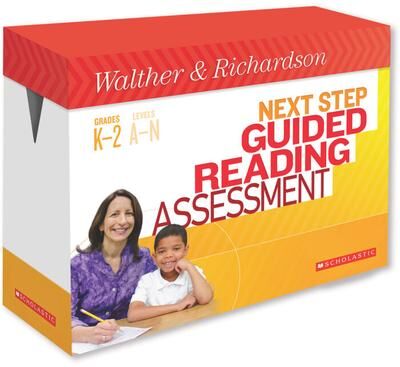
Scholastic Next Step Guided Reading Assessment, K-2Developed by leading literacy experts Jan Richardson, Ph.D., and Maria Walther, Ed.D., Next Step Guided Reading Assessment uses Richardson's proven Assess-Decide-Guide teaching system to pinpoint students' reading level and target instructional next...489,00 $*Shipping: 0,00 $Secure redirect to the provider
-
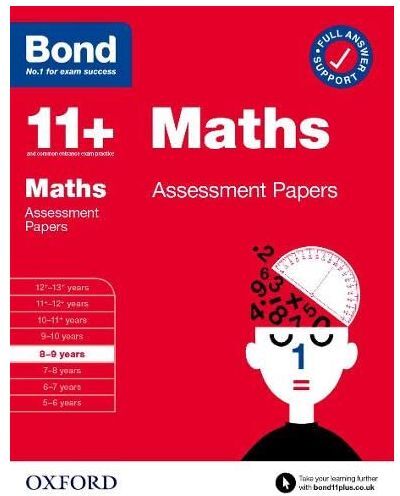
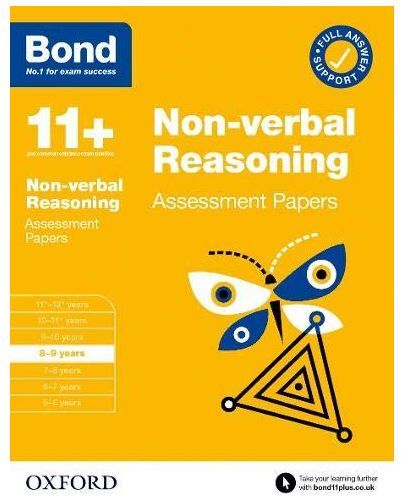
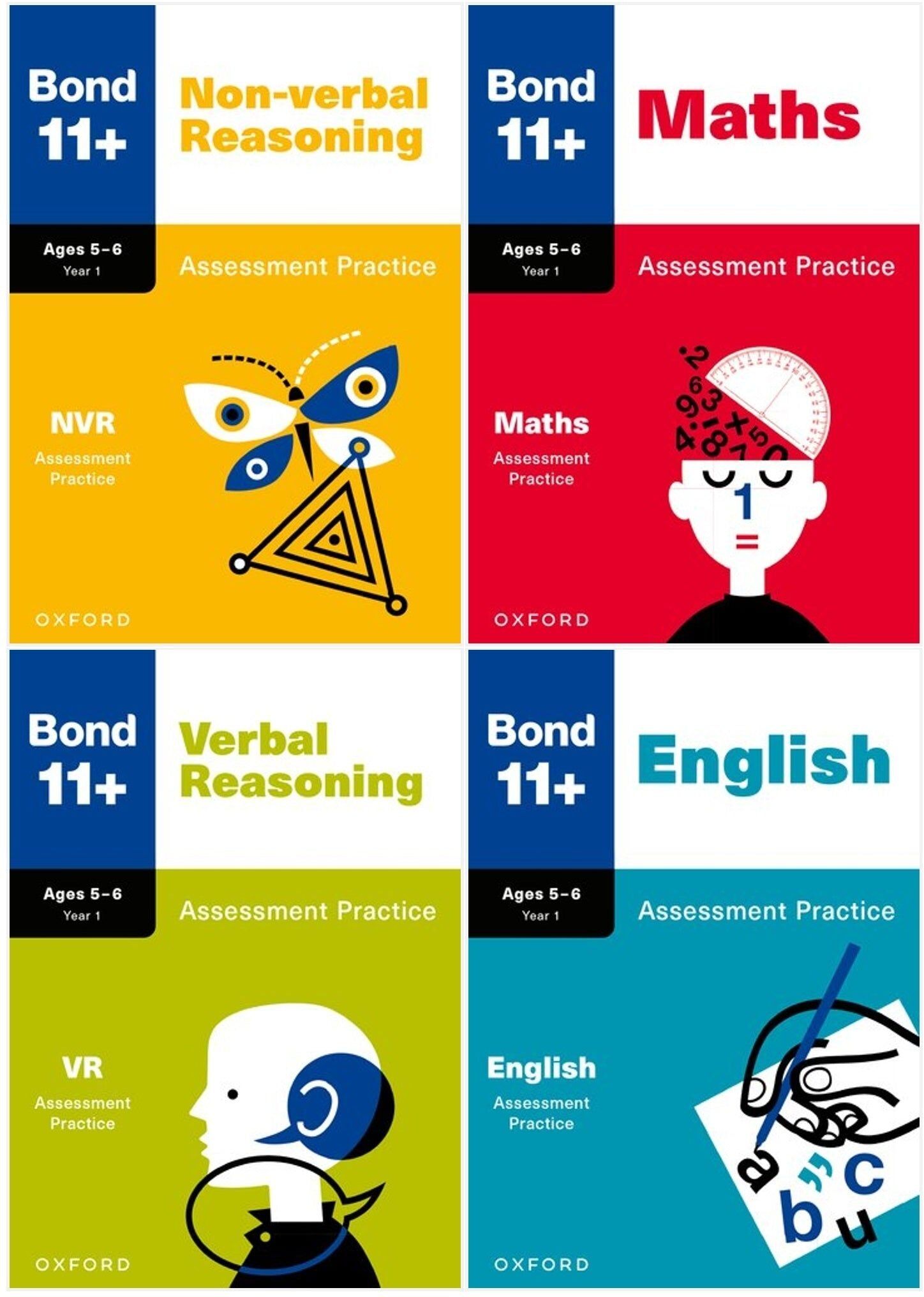
OXFORD UNIVERSITY PRESS Bond 11+ Maths English Verbal Non-Verbal Reasoning Assessment Practice 5-6 years 4 Books Set (Bond Assessment Papers)Bond 11+ English; Maths; Non-verbal Reasoning; Verbal Reasoning Assessment Practice 4 Books Set (Age 5-6) The pack includes the following 4 books (Bond 11 Plus books) Bond 11+ Maths Assessment Practice Ages 5-6 Bond Maths Assessment Practice for 5-6 years are topic-based practice questions that set the foundation for success in SATs; common entrance or 11+ exams. They have been written to cover the core National Curriculum skills and cover the question types used in 11+ exams; building the skills and confidence for exam success. Bond 11+ English Assessment Practice Ages 5-6 Bond English Assessment Practice for 5-6 years are topic-based practice questions that set the foundation for success in SATs; common entrance or 11+ exams. They have been written to cover the core National Curriculum skills and cover the question types used in 11+ exams; building the skills and confidence for exam success Bond 11+ Verbal Reasoning Assessment Practice Ages 5-6 Bond Verbal Reasoning Assessment Practice for 5-6 years introduces children to verbal reasoning problem-solving skills; encouraging thinking skills and providing early preparation for Common Entrance and 11+ exams. Bond 11+ Non-Verbal Reasoning Assessment Practice Ages 5-6 Bond Non-verbal Reasoning Assessment Practice for 5-6 years introduces children to non-verbal reasoning problem-solving skills; encouraging thinking skills and providing early preparation for Common Entrance and 11+ exams.14,40 £*Shipping: 2,99 £Secure redirect to the provider
-
OXFORD UNIVERSITY PRESS Bond 11+ Maths English Verbal Non-Verbal Reasoning Assessment Practice 6-7 years 4 Books Set (Bond Assessment Papers)Bond 11+ Maths English Verbal Non-Verbal Reasoning Assessment Practice 6-7 years 4 Books Set (Bond Assessment Papers) Year 2 Developed and written by experienced tutors, Bond 11+ Assessment Practice Books offer exam-style practice questions, perfect for preparing for the GL 11+ exam and other selective school tests, with full answer explanations in a removable booklet. Bond 11+ English Assessment Practice Age 6-7: Covers all of the core 11+ English exam topics including comprehension, spelling, sentences, punctuation, and grammar Bond 11+ Maths Assessment Practice Age 6-7: Covers a wide variety of maths topics including place value, multiplication and division, fractions, shapes, measurement, and diagrams Bond 11+ Non-verbal Reasoning Assessment Practice Age 6-7: Covers a wide variety of non-verbal reasoning topics including shapes, angles and rotation, similarities, sequences, reflections, and grids Bond 11+ Verbal Reasoning Assessment Practice Age 6-7: Covers a wide variety of verbal reasoning topics including word meanings, word connections, missing letters, patterns and sequences, anagrams, and codes15,99 £*Shipping: 2,99 £Secure redirect to the provider

-
Are synergy and symbiosis synonyms?
Synergy and symbiosis are not synonyms. Synergy refers to the interaction or cooperation of two or more elements to produce a combined effect greater than the sum of their separate effects. Symbiosis, on the other hand, is a mutually beneficial relationship between two different organisms. While both concepts involve interaction and cooperation, they differ in the nature of the relationship and the entities involved. **
-
What is a gfs symbiosis?
A gfs symbiosis is a mutually beneficial relationship between two or more organisms where one organism provides a necessary resource or service to the other in exchange for a different resource or service. This type of symbiosis is characterized by a close and long-term interaction between the organisms involved. The gfs symbiosis allows each organism to thrive and benefit from the partnership, ultimately leading to the success and survival of both parties. **
-
How would you explain symbiosis?
Symbiosis is a biological relationship between two different species that live in close proximity to each other. This relationship can be beneficial, harmful, or neutral for one or both of the species involved. There are three main types of symbiotic relationships: mutualism, where both species benefit; commensalism, where one species benefits and the other is unaffected; and parasitism, where one species benefits at the expense of the other. Symbiosis is a fundamental concept in ecology and is essential for understanding the interconnectedness of different organisms in an ecosystem. **
-
What is symbiosis in biology?
Symbiosis in biology refers to a close and long-term interaction between two different species. This interaction can be beneficial, harmful, or neutral for one or both of the species involved. There are three main types of symbiotic relationships: mutualism, where both species benefit; commensalism, where one species benefits and the other is unaffected; and parasitism, where one species benefits at the expense of the other. Symbiotic relationships are common in nature and can occur between a wide variety of organisms, including plants, animals, and microorganisms. **
What questions are there about symbiosis?
Some questions about symbiosis include: How do different species recognize and communicate with each other to establish a symbiotic relationship? What factors determine the success or failure of a symbiotic partnership? How do symbiotic relationships evolve over time, and what are the long-term effects on the species involved? Additionally, researchers may also explore the potential benefits and drawbacks of symbiosis in different ecosystems and how human activities impact symbiotic interactions. **
What is a symbiosis of three?
A symbiosis of three refers to a mutually beneficial relationship between three different organisms or entities. This could include three species of organisms living in close association and benefiting from each other, such as in a mutualistic relationship where each organism provides something the others need. It could also refer to a cooperative relationship between three individuals or groups, where each party contributes something valuable to the others. Overall, a symbiosis of three involves a complex and interconnected relationship where all parties involved rely on each other for survival or success. **
Top-Angebote
Products related to Symbiosis:
-
Scholastic Next Step Guided Reading Assessment, K-2Developed by leading literacy experts Jan Richardson, Ph.D., and Maria Walther, Ed.D., Next Step Guided Reading Assessment uses Richardson's proven Assess-Decide-Guide teaching system to pinpoint students' reading level and target instructional next...489,00 $*Shipping: 0,00 $Secure redirect to the provider
-
Symbiosis or Parasitism?
Symbiosis refers to a mutually beneficial relationship between two different species, where both organisms benefit from the interaction. On the other hand, parasitism is a type of relationship where one organism benefits at the expense of the other, causing harm to the host organism. To determine whether a relationship is symbiotic or parasitic, it is important to consider the impact of the interaction on both species involved. **
-
What are examples of symbiosis?
Examples of symbiosis include mutualism, where both organisms benefit from the relationship, such as the relationship between bees and flowers. Another example is commensalism, where one organism benefits and the other is neither helped nor harmed, like the relationship between barnacles and whales. Parasitism is another form of symbiosis, where one organism benefits at the expense of the other, such as ticks feeding on the blood of mammals. **
-
Are synergy and symbiosis synonyms?
Synergy and symbiosis are not synonyms. Synergy refers to the interaction or cooperation of two or more elements to produce a combined effect greater than the sum of their separate effects. Symbiosis, on the other hand, is a mutually beneficial relationship between two different organisms. While both concepts involve interaction and cooperation, they differ in the nature of the relationship and the entities involved. **
-
What is a gfs symbiosis?
A gfs symbiosis is a mutually beneficial relationship between two or more organisms where one organism provides a necessary resource or service to the other in exchange for a different resource or service. This type of symbiosis is characterized by a close and long-term interaction between the organisms involved. The gfs symbiosis allows each organism to thrive and benefit from the partnership, ultimately leading to the success and survival of both parties. **
Similar search terms for Symbiosis
-
OXFORD UNIVERSITY PRESS Bond 11+ Maths English Verbal Non-Verbal Reasoning Assessment Practice 5-6 years 4 Books Set (Bond Assessment Papers)Bond 11+ English; Maths; Non-verbal Reasoning; Verbal Reasoning Assessment Practice 4 Books Set (Age 5-6) The pack includes the following 4 books (Bond 11 Plus books) Bond 11+ Maths Assessment Practice Ages 5-6 Bond Maths Assessment Practice for 5-6 years are topic-based practice questions that set the foundation for success in SATs; common entrance or 11+ exams. They have been written to cover the core National Curriculum skills and cover the question types used in 11+ exams; building the skills and confidence for exam success. Bond 11+ English Assessment Practice Ages 5-6 Bond English Assessment Practice for 5-6 years are topic-based practice questions that set the foundation for success in SATs; common entrance or 11+ exams. They have been written to cover the core National Curriculum skills and cover the question types used in 11+ exams; building the skills and confidence for exam success Bond 11+ Verbal Reasoning Assessment Practice Ages 5-6 Bond Verbal Reasoning Assessment Practice for 5-6 years introduces children to verbal reasoning problem-solving skills; encouraging thinking skills and providing early preparation for Common Entrance and 11+ exams. Bond 11+ Non-Verbal Reasoning Assessment Practice Ages 5-6 Bond Non-verbal Reasoning Assessment Practice for 5-6 years introduces children to non-verbal reasoning problem-solving skills; encouraging thinking skills and providing early preparation for Common Entrance and 11+ exams.14,40 £*Shipping: 2,99 £Secure redirect to the provider
-
OXFORD UNIVERSITY PRESS Bond 11+ Maths English Verbal Non-Verbal Reasoning Assessment Practice 6-7 years 4 Books Set (Bond Assessment Papers)Bond 11+ Maths English Verbal Non-Verbal Reasoning Assessment Practice 6-7 years 4 Books Set (Bond Assessment Papers) Year 2 Developed and written by experienced tutors, Bond 11+ Assessment Practice Books offer exam-style practice questions, perfect for preparing for the GL 11+ exam and other selective school tests, with full answer explanations in a removable booklet. Bond 11+ English Assessment Practice Age 6-7: Covers all of the core 11+ English exam topics including comprehension, spelling, sentences, punctuation, and grammar Bond 11+ Maths Assessment Practice Age 6-7: Covers a wide variety of maths topics including place value, multiplication and division, fractions, shapes, measurement, and diagrams Bond 11+ Non-verbal Reasoning Assessment Practice Age 6-7: Covers a wide variety of non-verbal reasoning topics including shapes, angles and rotation, similarities, sequences, reflections, and grids Bond 11+ Verbal Reasoning Assessment Practice Age 6-7: Covers a wide variety of verbal reasoning topics including word meanings, word connections, missing letters, patterns and sequences, anagrams, and codes15,99 £*Shipping: 2,99 £Secure redirect to the provider
-
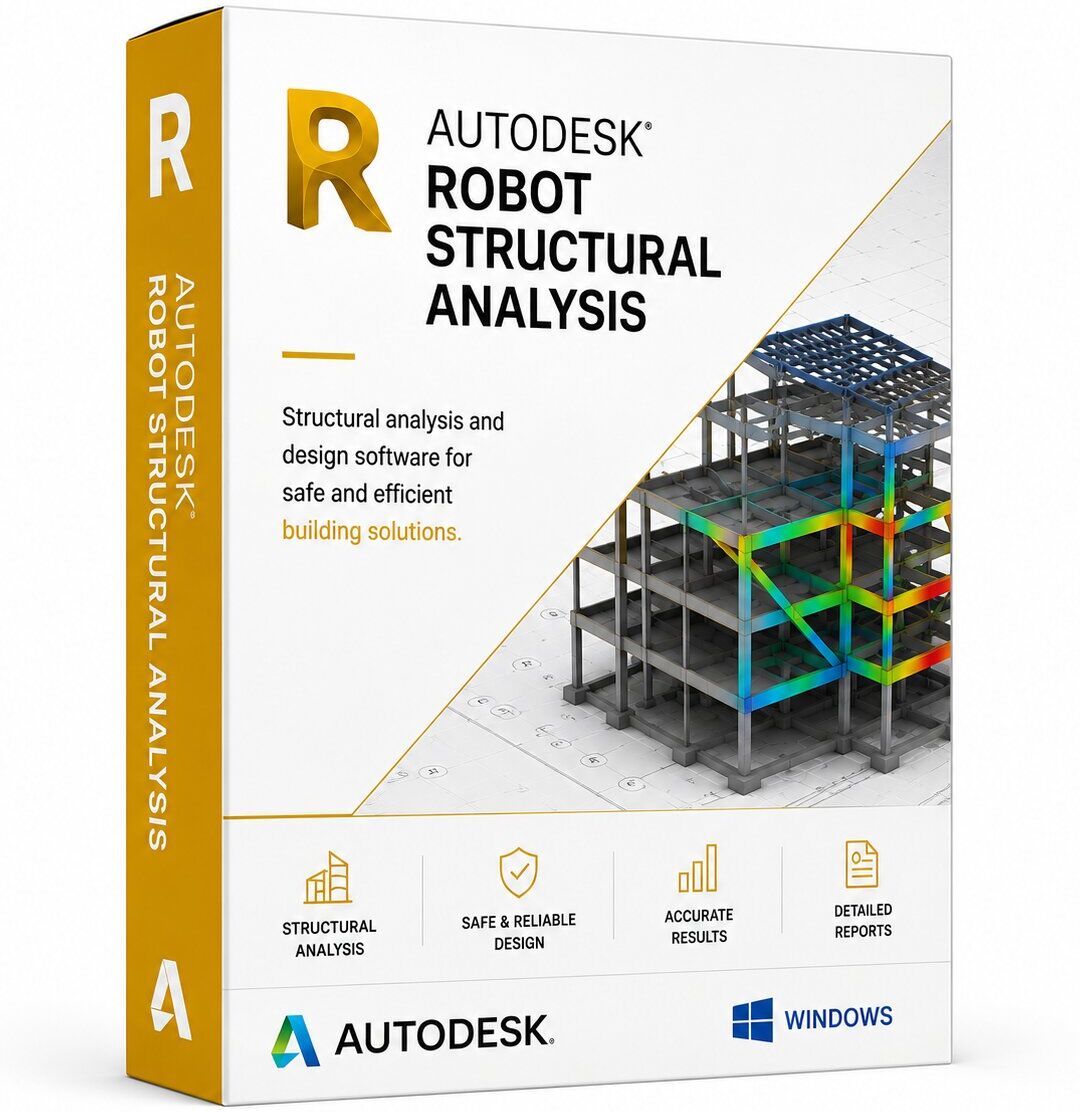
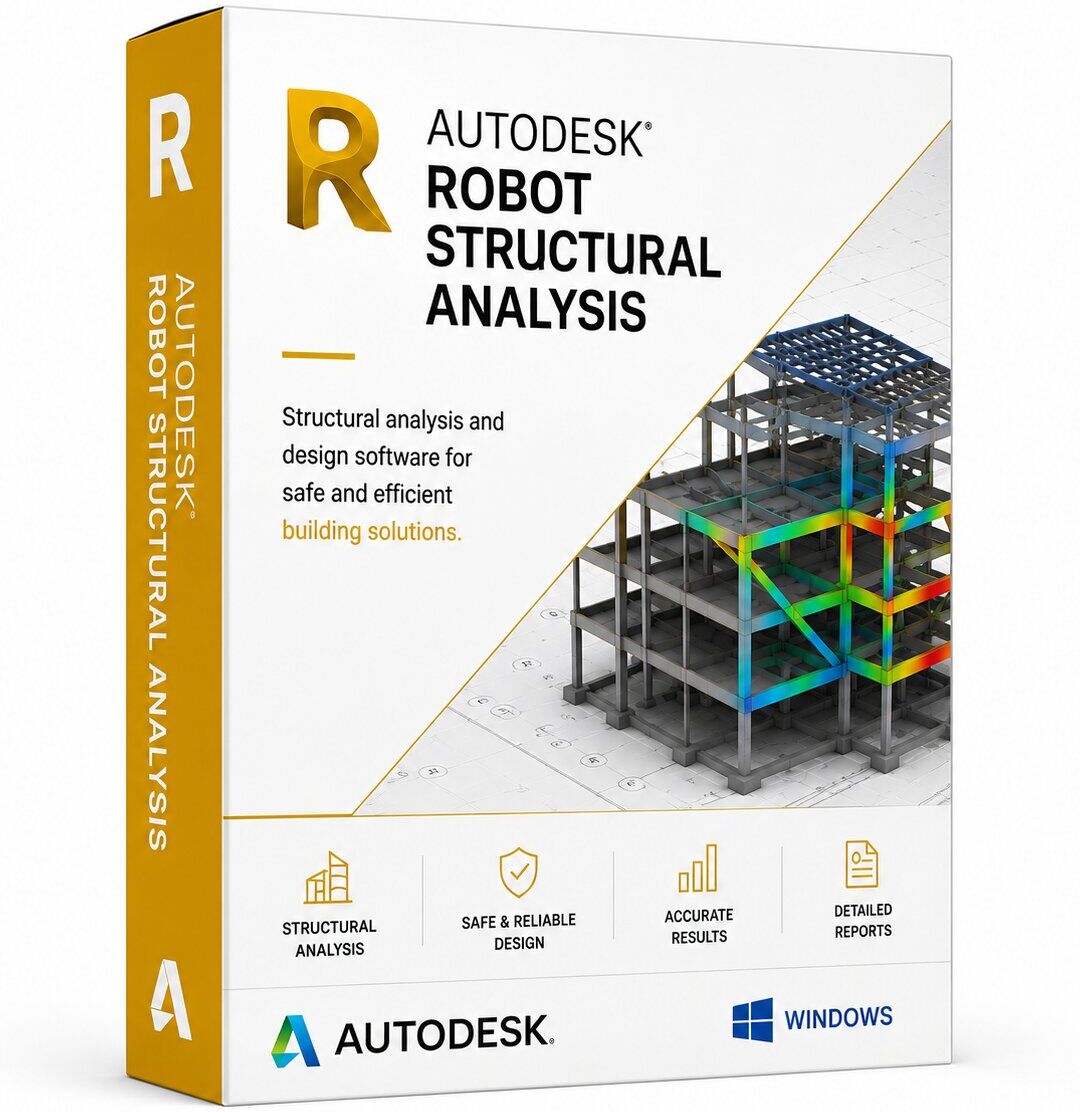
AUTODESK ROBOT STRUCTURAL ANALYSIS 2026AUTODESK ROBOT STRUCTURAL ANALYSIS LIZENZ Original und garantiert von Nextdigitalkey.com Autodesk Robot Structural Analysis Professional ist eine leistungsstarke FEM-Software (Finite-Elemente-Methode) für die statische und dynamische Analyse von Tragwerken. Sie wird von Statikern und Bauingenieuren weltweit zur präzisen Berechnung und Dimensionierung von Gebäuden und Infrastrukturen eingesetzt. Mit Robot Structural Analysis können Sie: - Statische und dynamische Berechnungen für beliebige Tragwerkstypen durchführen - Stahl-, Beton- und Holzstrukturen nach internationalen Normen (EN, AISC, etc.) bemessen - Nahtlos mit Revit und AutoCAD zusammenarbeiten – dank bidirektionaler BIM-Integration - Erdbeben-, Wind- und Schneelasten nach aktuellen Normen automatisch generieren - Detaillierte Bemessungsberichte und Werkstattzeichnungen exportieren Warum Robot Structural Analysis? Robot bietet eine vollständige Lösung für Tragwerksplanung – von der Modellierung bis zur Norm-konformen Bemessung – und spart durch die enge Revit-Integration erheblich Zeit bei Planungsänderungen. Lizenzinformationen: - Zugang: Vollständig - Sprache: Mehrsprachig - Geräte: 1 - Betriebssystem: Windows - Lizenztyp: Dauerhaft (ohne Ablaufdatum) Was Sie nach dem Kauf erhalten: - Offizieller Produktschlüssel - Downloadlink zur offiziellen Autodesk-Webseite - Installationsanleitung auf Deutsch Download: Der Download erfolgt direkt über die offizielle Autodesk-Webseite. Preis und Legalität: Unsere Lizenzen stammen aus dem Wiederverkauf entbundener Einzelhandelslizenzen gemäß dem Urteil des Europäischen Gerichtshofs (C-128/2011). Alle Lizenzen sind original, digital (ESD), sofort verfügbar und beliebig oft auf demselben Gerät installierbar. Support: Technischer Support rund um die Uhr per Fernzugriff – auch an Wochenenden und Feiertagen verfügbar.89,95 £*Shipping: 0,00 £Secure redirect to the provider
-
AUTODESK ROBOT STRUCTURAL ANALYSIS 2025AUTODESK ROBOT STRUCTURAL ANALYSIS LIZENZ Original und garantiert von Nextdigitalkey.com Autodesk Robot Structural Analysis Professional ist eine leistungsstarke FEM-Software (Finite-Elemente-Methode) für die statische und dynamische Analyse von Tragwerken. Sie wird von Statikern und Bauingenieuren weltweit zur präzisen Berechnung und Dimensionierung von Gebäuden und Infrastrukturen eingesetzt. Mit Robot Structural Analysis können Sie: - Statische und dynamische Berechnungen für beliebige Tragwerkstypen durchführen - Stahl-, Beton- und Holzstrukturen nach internationalen Normen (EN, AISC, etc.) bemessen - Nahtlos mit Revit und AutoCAD zusammenarbeiten – dank bidirektionaler BIM-Integration - Erdbeben-, Wind- und Schneelasten nach aktuellen Normen automatisch generieren - Detaillierte Bemessungsberichte und Werkstattzeichnungen exportieren Warum Robot Structural Analysis? Robot bietet eine vollständige Lösung für Tragwerksplanung – von der Modellierung bis zur Norm-konformen Bemessung – und spart durch die enge Revit-Integration erheblich Zeit bei Planungsänderungen. Lizenzinformationen: - Zugang: Vollständig - Sprache: Mehrsprachig - Geräte: 1 - Betriebssystem: Windows - Lizenztyp: Dauerhaft (ohne Ablaufdatum) Was Sie nach dem Kauf erhalten: - Offizieller Produktschlüssel - Downloadlink zur offiziellen Autodesk-Webseite - Installationsanleitung auf Deutsch Download: Der Download erfolgt direkt über die offizielle Autodesk-Webseite. Preis und Legalität: Unsere Lizenzen stammen aus dem Wiederverkauf entbundener Einzelhandelslizenzen gemäß dem Urteil des Europäischen Gerichtshofs (C-128/2011). Alle Lizenzen sind original, digital (ESD), sofort verfügbar und beliebig oft auf demselben Gerät installierbar. Support: Technischer Support rund um die Uhr per Fernzugriff – auch an Wochenenden und Feiertagen verfügbar.69,95 £*Shipping: 0,00 £Secure redirect to the provider
-
How would you explain symbiosis?
Symbiosis is a biological relationship between two different species that live in close proximity to each other. This relationship can be beneficial, harmful, or neutral for one or both of the species involved. There are three main types of symbiotic relationships: mutualism, where both species benefit; commensalism, where one species benefits and the other is unaffected; and parasitism, where one species benefits at the expense of the other. Symbiosis is a fundamental concept in ecology and is essential for understanding the interconnectedness of different organisms in an ecosystem. **
-
What is symbiosis in biology?
Symbiosis in biology refers to a close and long-term interaction between two different species. This interaction can be beneficial, harmful, or neutral for one or both of the species involved. There are three main types of symbiotic relationships: mutualism, where both species benefit; commensalism, where one species benefits and the other is unaffected; and parasitism, where one species benefits at the expense of the other. Symbiotic relationships are common in nature and can occur between a wide variety of organisms, including plants, animals, and microorganisms. **
-
What questions are there about symbiosis?
Some questions about symbiosis include: How do different species recognize and communicate with each other to establish a symbiotic relationship? What factors determine the success or failure of a symbiotic partnership? How do symbiotic relationships evolve over time, and what are the long-term effects on the species involved? Additionally, researchers may also explore the potential benefits and drawbacks of symbiosis in different ecosystems and how human activities impact symbiotic interactions. **
-
What is a symbiosis of three?
A symbiosis of three refers to a mutually beneficial relationship between three different organisms or entities. This could include three species of organisms living in close association and benefiting from each other, such as in a mutualistic relationship where each organism provides something the others need. It could also refer to a cooperative relationship between three individuals or groups, where each party contributes something valuable to the others. Overall, a symbiosis of three involves a complex and interconnected relationship where all parties involved rely on each other for survival or success. **
* All prices are inclusive of VAT and, if applicable, plus shipping costs. The offer information is based on the details provided by the respective shop and is updated through automated processes. Real-time updates do not occur, so deviations can occur in individual cases. ** Note: Parts of this content were created by AI.