Buy reviewing.com ?
We are moving the project
reviewing.com .
Are you interested in purchasing the domain
reviewing.com ?
domain@kv-gmbh.de · 0541-91531010
Buy reviewing.com ?
To whom or to whom?
The phrase "to whom or to whom" is grammatically incorrect as it repeats the same pronoun. The correct phrase should be "to whom or to what" if referring to a person or thing. The use of "whom" is appropriate when referring to the object of a verb or preposition in formal English. **
'With whom or at whom?'
The phrase "with whom" is used when referring to a person or people you are interacting or collaborating with. For example, "I am meeting with whom I will be working on the project." On the other hand, the phrase "at whom" is used when referring to a person or people you are directing your actions, words, or emotions towards. For example, "She was shouting angrily at whom she believed had wronged her." **

Similar search terms for Whom
Top-Angebote
Products related to Whom:
-
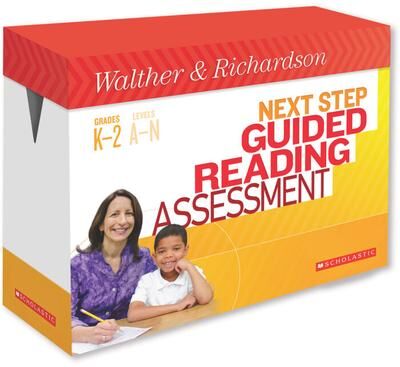
Scholastic Next Step Guided Reading Assessment, K-2Developed by leading literacy experts Jan Richardson, Ph.D., and Maria Walther, Ed.D., Next Step Guided Reading Assessment uses Richardson's proven Assess-Decide-Guide teaching system to pinpoint students' reading level and target instructional next...489,00 $*Shipping: 0,00 $Secure redirect to the provider
-
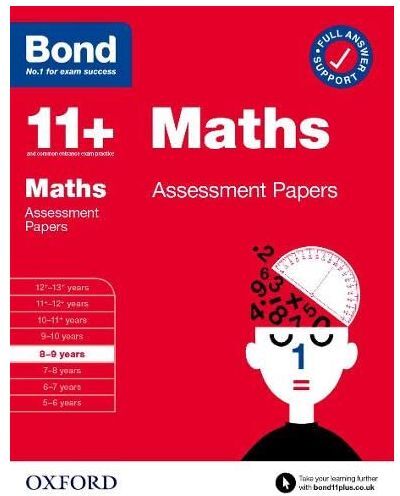
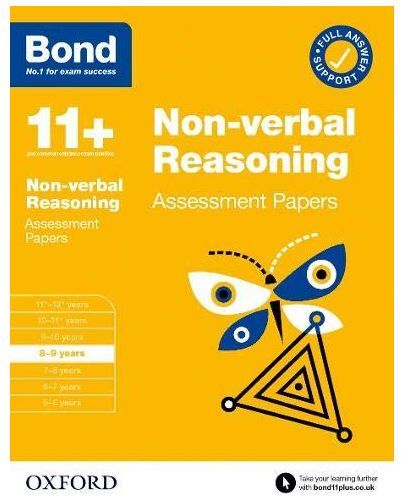
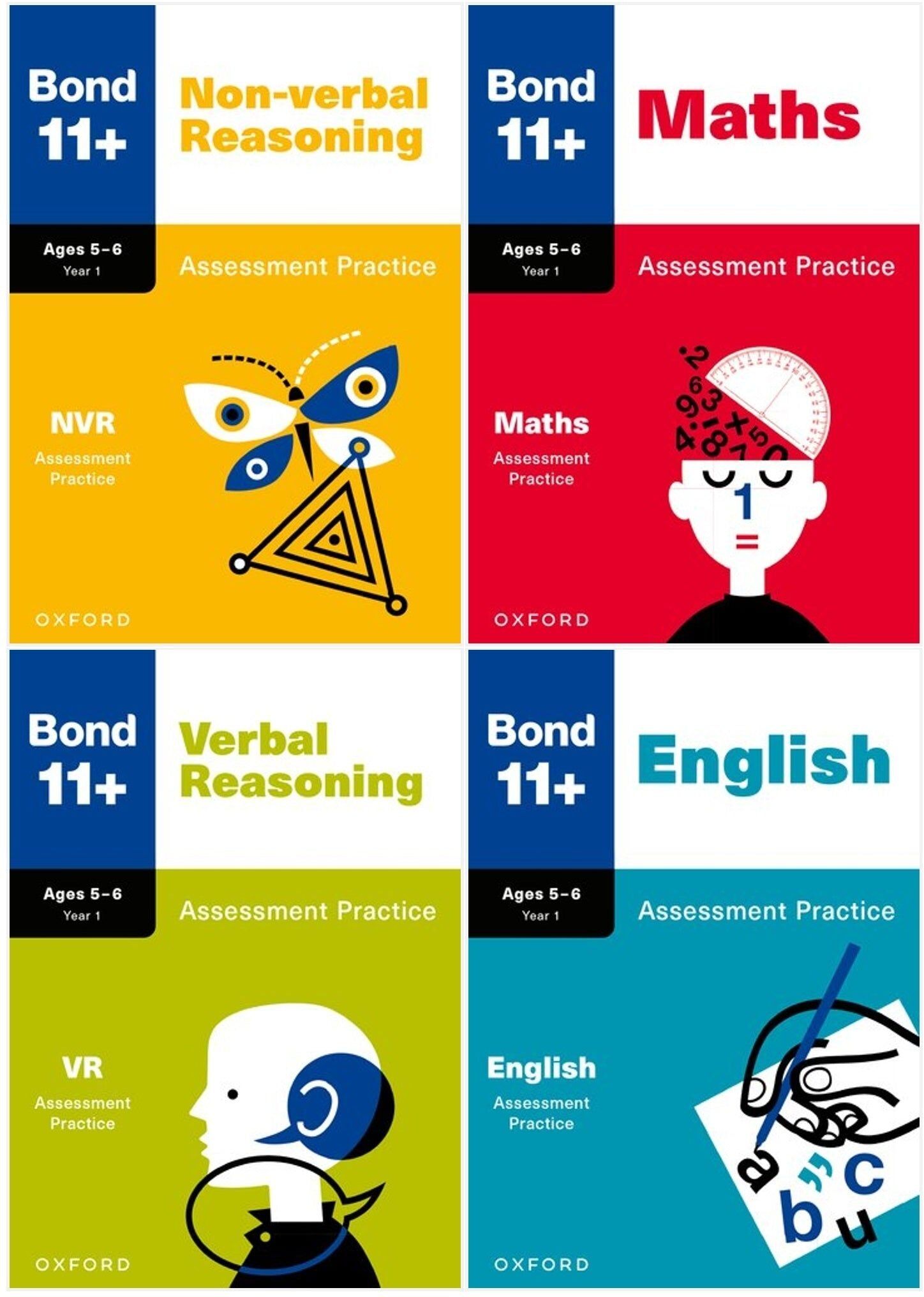
OXFORD UNIVERSITY PRESS Bond 11+ Maths English Verbal Non-Verbal Reasoning Assessment Practice 5-6 years 4 Books Set (Bond Assessment Papers)Bond 11+ English; Maths; Non-verbal Reasoning; Verbal Reasoning Assessment Practice 4 Books Set (Age 5-6) The pack includes the following 4 books (Bond 11 Plus books) Bond 11+ Maths Assessment Practice Ages 5-6 Bond Maths Assessment Practice for 5-6 years are topic-based practice questions that set the foundation for success in SATs; common entrance or 11+ exams. They have been written to cover the core National Curriculum skills and cover the question types used in 11+ exams; building the skills and confidence for exam success. Bond 11+ English Assessment Practice Ages 5-6 Bond English Assessment Practice for 5-6 years are topic-based practice questions that set the foundation for success in SATs; common entrance or 11+ exams. They have been written to cover the core National Curriculum skills and cover the question types used in 11+ exams; building the skills and confidence for exam success Bond 11+ Verbal Reasoning Assessment Practice Ages 5-6 Bond Verbal Reasoning Assessment Practice for 5-6 years introduces children to verbal reasoning problem-solving skills; encouraging thinking skills and providing early preparation for Common Entrance and 11+ exams. Bond 11+ Non-Verbal Reasoning Assessment Practice Ages 5-6 Bond Non-verbal Reasoning Assessment Practice for 5-6 years introduces children to non-verbal reasoning problem-solving skills; encouraging thinking skills and providing early preparation for Common Entrance and 11+ exams.14,40 £*Shipping: 2,99 £Secure redirect to the provider
-
Who misses whom and who forgets whom?
In the poem "Remember" by Christina Rossetti, the speaker is asking her loved one to remember her after she has passed away. The speaker is the one who misses her loved one, as she will no longer be able to be with them. The speaker is also the one who fears being forgotten, as she asks her loved one to remember her even when they are no longer together. **
-
'Against whom?'
The question "Against whom?" is typically used to inquire about the target or opponent in a conflict, competition, or debate. It seeks to identify the specific individual, group, or entity that is being challenged or opposed in a given situation. By asking "Against whom?" one is seeking clarity on who is the focus of the opposition or resistance. **
-
'With whom?'
You can choose to spend time with friends, family, colleagues, or even yourself. It ultimately depends on your preferences and the type of activity you are planning. Spending time with loved ones can strengthen relationships and create lasting memories, while spending time alone can provide opportunities for self-reflection and personal growth. **
-
'When and whom?'
The phrase "When and whom?" is typically used to inquire about the timing and the specific person involved in a particular situation or event. For example, if someone says they have plans for the weekend, you might ask "When and with whom?" to find out the specific time and the person they will be with. This phrase is a concise way to gather specific details about an upcoming event or activity. **

What or whom?
"What or whom?" is a question that seeks to identify the specific object or person being referred to in a conversation or situation. It is used to clarify and specify the subject of discussion, helping to ensure clear communication and understanding between individuals. By asking "What or whom?" one can pinpoint the exact entity being discussed and provide a more precise response or explanation. **
'What or whom?'
"Whom" is used as the object of a verb or preposition, while "what" is used to ask about an object, action, or idea. In general, "whom" is used when referring to a person or people, while "what" is used for things or non-human entities. It's important to use the correct word to ensure clear and accurate communication. **
Top-Angebote
Products related to Whom:
-
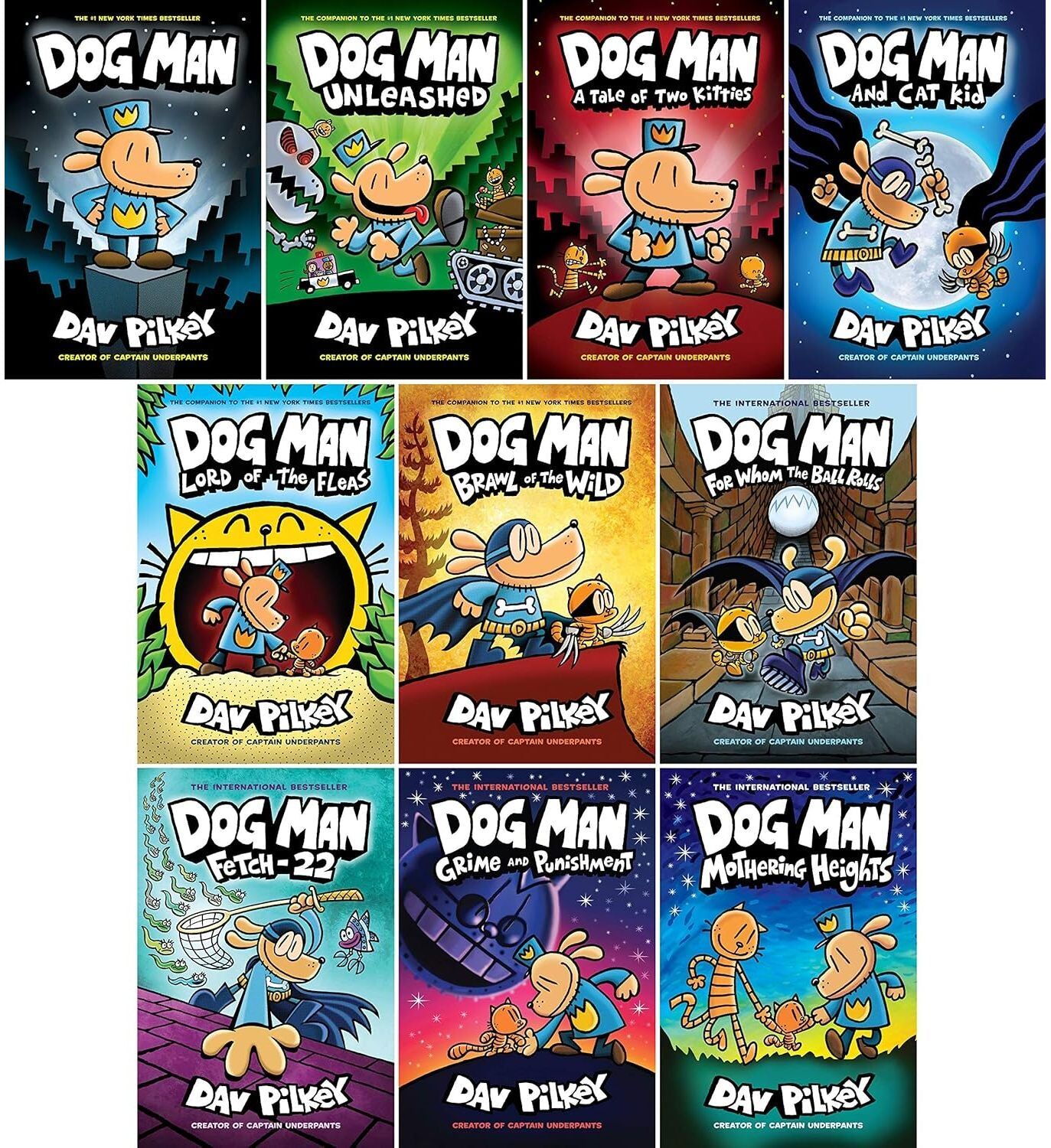
Scholastic Dog Man Series 10 Books Collection Set by Dav Pilkey Mothering Heights, Grime and Punishment, Fetch-22, For Whom the Ball Rolls, Brawl of The WildDog Man Series 10 Books Collection Set by Dav Pilkey Dog Man : 1 The Adventures of Dog Man 2: Unleashed : 2 A Tale of Two Kitties : 3 Dog Man 4: Dog Man and Cat Kid : 4 Dog Man 5: Lord of the Fleas : 5 Dog Man 6: Brawl of the Wild : 6 For Whom the Ball Rolls : 7 Dog Man 8: Fetch-22 : 8 Dog Man 9: Grime and Punishment : 9 Dog Man 10: Mothering Heights : 10 Related Tags: dog man books, dogman, pilkey, dav pilkey59,95 £*Shipping: 0,00 £Secure redirect to the provider
-
Wilco Books ltd Ernest Hemingway Collection 7 Books Hardcover Set (A Moveable Feast, For Whom The Bell Tolls, A Farewell To Arms, Green Hills Of Africa, The Old and TDiscover the extraordinary writing of Ernest Hemingway with this Ernest Hemingway 7 Books Hardcover Collection Set, bringing together some of the celebrated author's most important novels, stories and non-fiction. Books Included A Moveable Feast For Whom the Bell Tolls A Farewell to Arms Green Hills of Africa The Old Man and the Sea In Our Time The Sun Also Rises From the struggle and determination at the heart of The Old Man and the Sea to the experiences of the Lost Generation in The Sun Also Rises, this collection showcases Hemingway's distinctive style across some of his best-known writing. Explore love and conflict in A Farewell to Arms, the Spanish Civil War in For Whom the Bell Tolls, memories of literary Paris in A Moveable Feast, African travel and hunting in Green Hills of Africa, and the concise short fiction of In Our Time. Presented as a seven-book hardcover collection, this set is an excellent choice for readers building a classic literature library, students discovering Hemingway, or collectors looking for a substantial selection of his works.19,99 £*Shipping: 2,99 £Secure redirect to the provider
-
To whom or to whom?
The phrase "to whom or to whom" is grammatically incorrect as it repeats the same pronoun. The correct phrase should be "to whom or to what" if referring to a person or thing. The use of "whom" is appropriate when referring to the object of a verb or preposition in formal English. **
-
'With whom or at whom?'
The phrase "with whom" is used when referring to a person or people you are interacting or collaborating with. For example, "I am meeting with whom I will be working on the project." On the other hand, the phrase "at whom" is used when referring to a person or people you are directing your actions, words, or emotions towards. For example, "She was shouting angrily at whom she believed had wronged her." **
-
Who misses whom and who forgets whom?
In the poem "Remember" by Christina Rossetti, the speaker is asking her loved one to remember her after she has passed away. The speaker is the one who misses her loved one, as she will no longer be able to be with them. The speaker is also the one who fears being forgotten, as she asks her loved one to remember her even when they are no longer together. **
-
'Against whom?'
The question "Against whom?" is typically used to inquire about the target or opponent in a conflict, competition, or debate. It seeks to identify the specific individual, group, or entity that is being challenged or opposed in a given situation. By asking "Against whom?" one is seeking clarity on who is the focus of the opposition or resistance. **
Similar search terms for Whom
-
Scholastic Next Step Guided Reading Assessment, K-2Developed by leading literacy experts Jan Richardson, Ph.D., and Maria Walther, Ed.D., Next Step Guided Reading Assessment uses Richardson's proven Assess-Decide-Guide teaching system to pinpoint students' reading level and target instructional next...489,00 $*Shipping: 0,00 $Secure redirect to the provider
-
OXFORD UNIVERSITY PRESS Bond 11+ Maths English Verbal Non-Verbal Reasoning Assessment Practice 5-6 years 4 Books Set (Bond Assessment Papers)Bond 11+ English; Maths; Non-verbal Reasoning; Verbal Reasoning Assessment Practice 4 Books Set (Age 5-6) The pack includes the following 4 books (Bond 11 Plus books) Bond 11+ Maths Assessment Practice Ages 5-6 Bond Maths Assessment Practice for 5-6 years are topic-based practice questions that set the foundation for success in SATs; common entrance or 11+ exams. They have been written to cover the core National Curriculum skills and cover the question types used in 11+ exams; building the skills and confidence for exam success. Bond 11+ English Assessment Practice Ages 5-6 Bond English Assessment Practice for 5-6 years are topic-based practice questions that set the foundation for success in SATs; common entrance or 11+ exams. They have been written to cover the core National Curriculum skills and cover the question types used in 11+ exams; building the skills and confidence for exam success Bond 11+ Verbal Reasoning Assessment Practice Ages 5-6 Bond Verbal Reasoning Assessment Practice for 5-6 years introduces children to verbal reasoning problem-solving skills; encouraging thinking skills and providing early preparation for Common Entrance and 11+ exams. Bond 11+ Non-Verbal Reasoning Assessment Practice Ages 5-6 Bond Non-verbal Reasoning Assessment Practice for 5-6 years introduces children to non-verbal reasoning problem-solving skills; encouraging thinking skills and providing early preparation for Common Entrance and 11+ exams.14,40 £*Shipping: 2,99 £Secure redirect to the provider
-
OXFORD UNIVERSITY PRESS Bond 11+ Maths English Verbal Non-Verbal Reasoning Assessment Practice 6-7 years 4 Books Set (Bond Assessment Papers)Bond 11+ Maths English Verbal Non-Verbal Reasoning Assessment Practice 6-7 years 4 Books Set (Bond Assessment Papers) Year 2 Developed and written by experienced tutors, Bond 11+ Assessment Practice Books offer exam-style practice questions, perfect for preparing for the GL 11+ exam and other selective school tests, with full answer explanations in a removable booklet. Bond 11+ English Assessment Practice Age 6-7: Covers all of the core 11+ English exam topics including comprehension, spelling, sentences, punctuation, and grammar Bond 11+ Maths Assessment Practice Age 6-7: Covers a wide variety of maths topics including place value, multiplication and division, fractions, shapes, measurement, and diagrams Bond 11+ Non-verbal Reasoning Assessment Practice Age 6-7: Covers a wide variety of non-verbal reasoning topics including shapes, angles and rotation, similarities, sequences, reflections, and grids Bond 11+ Verbal Reasoning Assessment Practice Age 6-7: Covers a wide variety of verbal reasoning topics including word meanings, word connections, missing letters, patterns and sequences, anagrams, and codes15,99 £*Shipping: 2,99 £Secure redirect to the provider
-
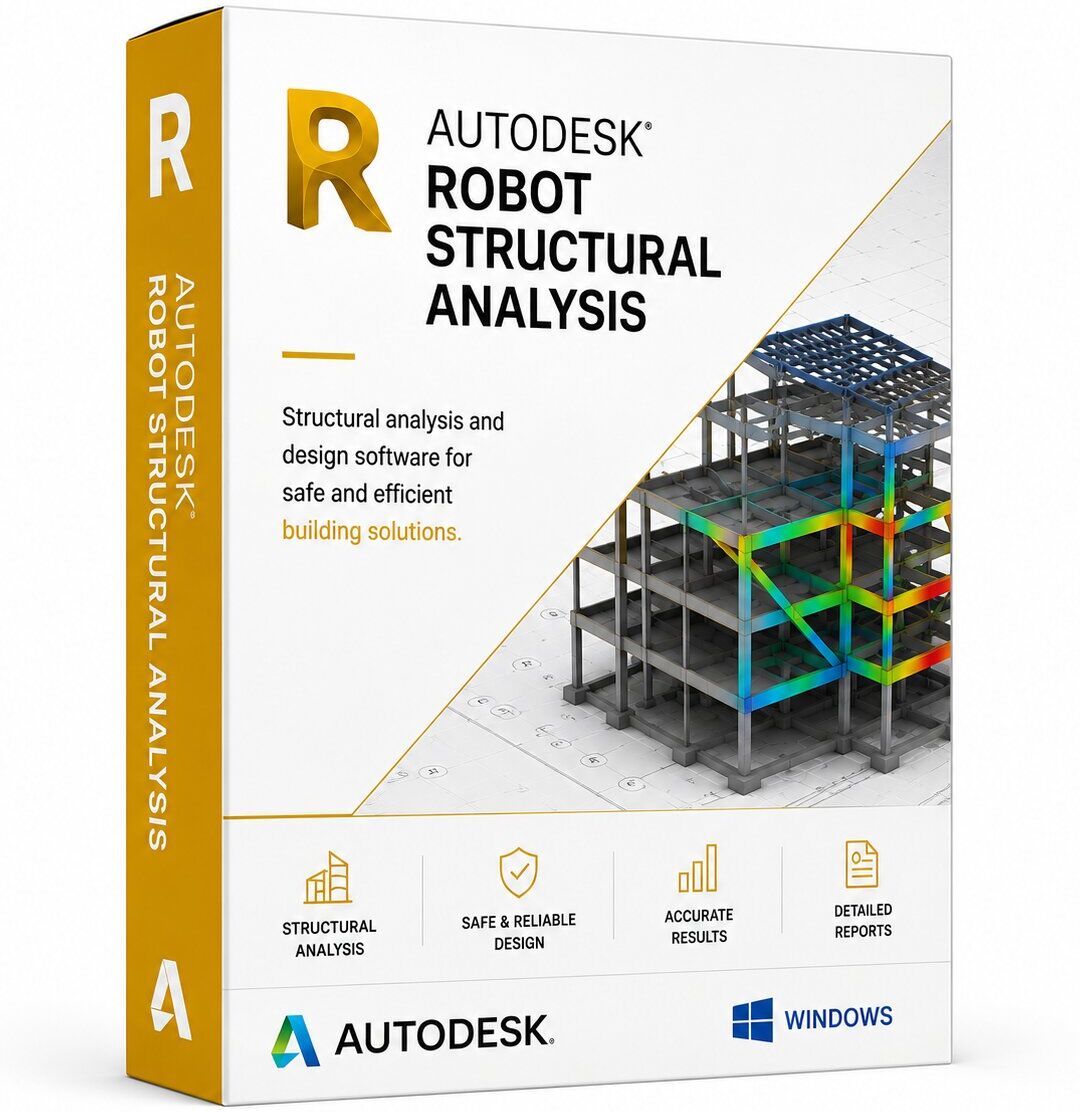
AUTODESK ROBOT STRUCTURAL ANALYSIS 2026AUTODESK ROBOT STRUCTURAL ANALYSIS LIZENZ Original und garantiert von Nextdigitalkey.com Autodesk Robot Structural Analysis Professional ist eine leistungsstarke FEM-Software (Finite-Elemente-Methode) für die statische und dynamische Analyse von Tragwerken. Sie wird von Statikern und Bauingenieuren weltweit zur präzisen Berechnung und Dimensionierung von Gebäuden und Infrastrukturen eingesetzt. Mit Robot Structural Analysis können Sie: - Statische und dynamische Berechnungen für beliebige Tragwerkstypen durchführen - Stahl-, Beton- und Holzstrukturen nach internationalen Normen (EN, AISC, etc.) bemessen - Nahtlos mit Revit und AutoCAD zusammenarbeiten – dank bidirektionaler BIM-Integration - Erdbeben-, Wind- und Schneelasten nach aktuellen Normen automatisch generieren - Detaillierte Bemessungsberichte und Werkstattzeichnungen exportieren Warum Robot Structural Analysis? Robot bietet eine vollständige Lösung für Tragwerksplanung – von der Modellierung bis zur Norm-konformen Bemessung – und spart durch die enge Revit-Integration erheblich Zeit bei Planungsänderungen. Lizenzinformationen: - Zugang: Vollständig - Sprache: Mehrsprachig - Geräte: 1 - Betriebssystem: Windows - Lizenztyp: Dauerhaft (ohne Ablaufdatum) Was Sie nach dem Kauf erhalten: - Offizieller Produktschlüssel - Downloadlink zur offiziellen Autodesk-Webseite - Installationsanleitung auf Deutsch Download: Der Download erfolgt direkt über die offizielle Autodesk-Webseite. Preis und Legalität: Unsere Lizenzen stammen aus dem Wiederverkauf entbundener Einzelhandelslizenzen gemäß dem Urteil des Europäischen Gerichtshofs (C-128/2011). Alle Lizenzen sind original, digital (ESD), sofort verfügbar und beliebig oft auf demselben Gerät installierbar. Support: Technischer Support rund um die Uhr per Fernzugriff – auch an Wochenenden und Feiertagen verfügbar.89,95 £*Shipping: 0,00 £Secure redirect to the provider
-
'With whom?'
You can choose to spend time with friends, family, colleagues, or even yourself. It ultimately depends on your preferences and the type of activity you are planning. Spending time with loved ones can strengthen relationships and create lasting memories, while spending time alone can provide opportunities for self-reflection and personal growth. **
-
'When and whom?'
The phrase "When and whom?" is typically used to inquire about the timing and the specific person involved in a particular situation or event. For example, if someone says they have plans for the weekend, you might ask "When and with whom?" to find out the specific time and the person they will be with. This phrase is a concise way to gather specific details about an upcoming event or activity. **
-
What or whom?
"What or whom?" is a question that seeks to identify the specific object or person being referred to in a conversation or situation. It is used to clarify and specify the subject of discussion, helping to ensure clear communication and understanding between individuals. By asking "What or whom?" one can pinpoint the exact entity being discussed and provide a more precise response or explanation. **
-
'What or whom?'
"Whom" is used as the object of a verb or preposition, while "what" is used to ask about an object, action, or idea. In general, "whom" is used when referring to a person or people, while "what" is used for things or non-human entities. It's important to use the correct word to ensure clear and accurate communication. **
* All prices are inclusive of VAT and, if applicable, plus shipping costs. The offer information is based on the details provided by the respective shop and is updated through automated processes. Real-time updates do not occur, so deviations can occur in individual cases. ** Note: Parts of this content were created by AI.