Buy reviewing.com ?
We are moving the project
reviewing.com .
Are you interested in purchasing the domain
reviewing.com ?
domain@kv-gmbh.de · 0541-91531010
Buy reviewing.com ?
How do viruses multiply?
Viruses multiply by infecting a host cell and hijacking its cellular machinery to replicate their genetic material and produce new virus particles. Once inside the host cell, the virus releases its genetic material, which then takes over the cell's machinery to produce viral proteins and replicate the viral genome. These newly produced virus particles can then infect other cells and continue the multiplication process. This cycle of infection and replication can lead to the spread of the virus within an organism. **
How do contacts multiply?
Contacts multiply through a combination of factors such as networking, referrals, and social interactions. When individuals meet new people and establish connections, they often exchange contact information and stay in touch. Additionally, as these contacts interact with their own networks, they may introduce new individuals to each other, further expanding the circle of contacts. This process continues to multiply as each new connection leads to more opportunities for networking and building relationships. **


Similar search terms for Multiply
Top-Angebote
Products related to Multiply:
-
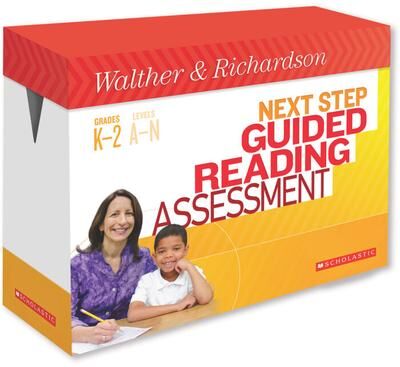
Scholastic Next Step Guided Reading Assessment, K-2Developed by leading literacy experts Jan Richardson, Ph.D., and Maria Walther, Ed.D., Next Step Guided Reading Assessment uses Richardson's proven Assess-Decide-Guide teaching system to pinpoint students' reading level and target instructional next...489,00 $*Shipping: 0,00 $Secure redirect to the provider
-
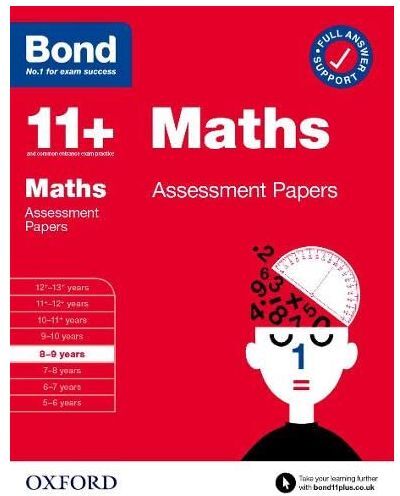
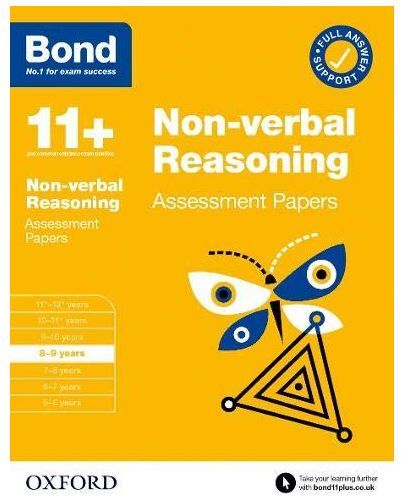
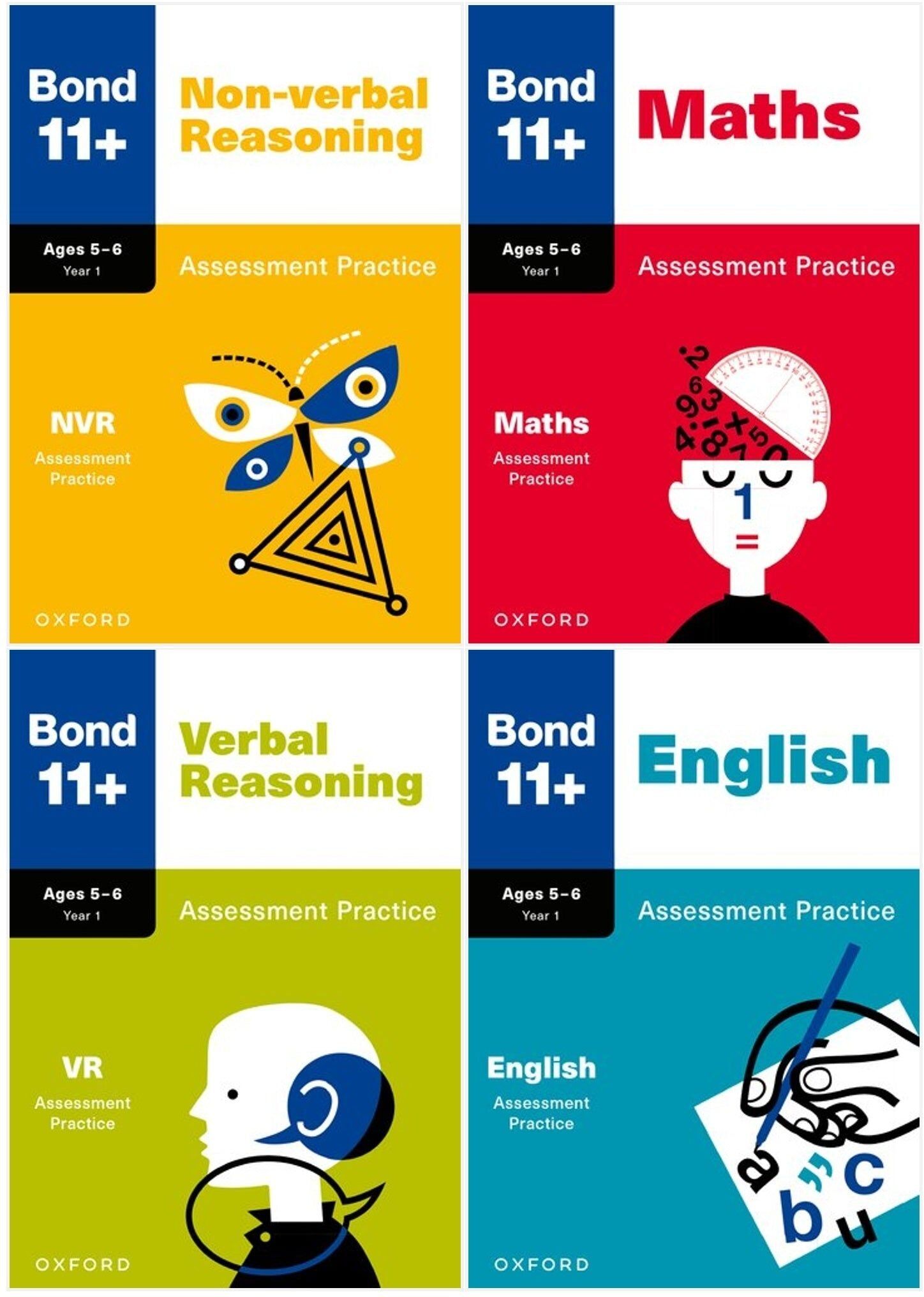
OXFORD UNIVERSITY PRESS Bond 11+ Maths English Verbal Non-Verbal Reasoning Assessment Practice 5-6 years 4 Books Set (Bond Assessment Papers)Bond 11+ English; Maths; Non-verbal Reasoning; Verbal Reasoning Assessment Practice 4 Books Set (Age 5-6) The pack includes the following 4 books (Bond 11 Plus books) Bond 11+ Maths Assessment Practice Ages 5-6 Bond Maths Assessment Practice for 5-6 years are topic-based practice questions that set the foundation for success in SATs; common entrance or 11+ exams. They have been written to cover the core National Curriculum skills and cover the question types used in 11+ exams; building the skills and confidence for exam success. Bond 11+ English Assessment Practice Ages 5-6 Bond English Assessment Practice for 5-6 years are topic-based practice questions that set the foundation for success in SATs; common entrance or 11+ exams. They have been written to cover the core National Curriculum skills and cover the question types used in 11+ exams; building the skills and confidence for exam success Bond 11+ Verbal Reasoning Assessment Practice Ages 5-6 Bond Verbal Reasoning Assessment Practice for 5-6 years introduces children to verbal reasoning problem-solving skills; encouraging thinking skills and providing early preparation for Common Entrance and 11+ exams. Bond 11+ Non-Verbal Reasoning Assessment Practice Ages 5-6 Bond Non-verbal Reasoning Assessment Practice for 5-6 years introduces children to non-verbal reasoning problem-solving skills; encouraging thinking skills and providing early preparation for Common Entrance and 11+ exams.14,40 £*Shipping: 2,99 £Secure redirect to the provider
-
How do demons multiply?
Demons are typically believed to multiply through various means, such as through tempting and corrupting humans to commit evil acts, or through possessing and influencing individuals to spread their influence. Some belief systems also suggest that demons can create offspring through mating with humans or other supernatural beings. Additionally, in some traditions, demons are thought to be able to create new demons through dark rituals or through the influence of powerful demonic entities. Overall, the methods of demon multiplication vary across different cultural and religious beliefs. **
-
How do you multiply fractions?
To multiply fractions, you simply multiply the numerators together to get the new numerator, and multiply the denominators together to get the new denominator. For example, if you have 1/2 * 3/4, you would multiply 1 * 3 to get 3 as the new numerator, and 2 * 4 to get 8 as the new denominator. So, 1/2 * 3/4 = 3/8. Remember to simplify the fraction if possible by finding the greatest common factor between the numerator and denominator. **
-
How do you multiply mantissas?
To multiply mantissas, you simply multiply the two numbers together. Mantissas are the significant digits in a number, excluding the exponent. When multiplying two numbers with mantissas, you multiply the two mantissas together and then adjust the result based on the exponents of the numbers. This process allows you to accurately calculate the product of two numbers with mantissas. **
-
Where do grain beetles multiply?
Grain beetles typically multiply in stored grains, cereals, flour, and other food products. They are commonly found in pantries, kitchens, and food storage areas where these items are kept. Grain beetles are attracted to the warmth and moisture of these environments, making them ideal places for them to lay eggs and multiply rapidly. Proper food storage and regular cleaning can help prevent grain beetles from infesting these areas. **

How do you multiply variables?
To multiply variables, you simply multiply the coefficients (numbers in front of the variables) together and then multiply the variables together. For example, to multiply 3x and 4y, you would multiply 3 and 4 to get 12, and then multiply x and y to get xy. So, the result of multiplying 3x and 4y would be 12xy. Remember to apply the rules of exponents if the variables have exponents. **
Can you multiply in French?
Yes, I can multiply in French. In French, the multiplication operation is called "multiplier." To multiply two numbers in French, you would say the first number, then "multiplié par," followed by the second number, and finally "égale" before stating the result. For example, to multiply 5 by 3, you would say "cinq multiplié par trois égale quinze." **
Top-Angebote
Products related to Multiply:
-
KitchenAid Multiply Uncoated Frying pan set 2 pieces: Frypan 20cm + Frypan 28cm Stainless Steel 2A highly conductive aluminum core ensures rapid, even heat distribution for even cooking. Designed to work on any stovetop, including induction, and to transfer dishes directly from stovetop to oven. There's not a recipe or dish this cookware can't make. The KitchenAid multi-layer stainless steel collection is designed to last a lifetime. These cookware items feature unique sealed edges that make them extremely durable and dishwasher-safe. KitchenAid151,99 £*Shipping: 0,00 £Secure redirect to the provider
-
How do viruses multiply?
Viruses multiply by infecting a host cell and hijacking its cellular machinery to replicate their genetic material and produce new virus particles. Once inside the host cell, the virus releases its genetic material, which then takes over the cell's machinery to produce viral proteins and replicate the viral genome. These newly produced virus particles can then infect other cells and continue the multiplication process. This cycle of infection and replication can lead to the spread of the virus within an organism. **
-
How do contacts multiply?
Contacts multiply through a combination of factors such as networking, referrals, and social interactions. When individuals meet new people and establish connections, they often exchange contact information and stay in touch. Additionally, as these contacts interact with their own networks, they may introduce new individuals to each other, further expanding the circle of contacts. This process continues to multiply as each new connection leads to more opportunities for networking and building relationships. **
-
How do demons multiply?
Demons are typically believed to multiply through various means, such as through tempting and corrupting humans to commit evil acts, or through possessing and influencing individuals to spread their influence. Some belief systems also suggest that demons can create offspring through mating with humans or other supernatural beings. Additionally, in some traditions, demons are thought to be able to create new demons through dark rituals or through the influence of powerful demonic entities. Overall, the methods of demon multiplication vary across different cultural and religious beliefs. **
-
How do you multiply fractions?
To multiply fractions, you simply multiply the numerators together to get the new numerator, and multiply the denominators together to get the new denominator. For example, if you have 1/2 * 3/4, you would multiply 1 * 3 to get 3 as the new numerator, and 2 * 4 to get 8 as the new denominator. So, 1/2 * 3/4 = 3/8. Remember to simplify the fraction if possible by finding the greatest common factor between the numerator and denominator. **
Similar search terms for Multiply
-
Scholastic Next Step Guided Reading Assessment, K-2Developed by leading literacy experts Jan Richardson, Ph.D., and Maria Walther, Ed.D., Next Step Guided Reading Assessment uses Richardson's proven Assess-Decide-Guide teaching system to pinpoint students' reading level and target instructional next...489,00 $*Shipping: 0,00 $Secure redirect to the provider
-
OXFORD UNIVERSITY PRESS Bond 11+ Maths English Verbal Non-Verbal Reasoning Assessment Practice 5-6 years 4 Books Set (Bond Assessment Papers)Bond 11+ English; Maths; Non-verbal Reasoning; Verbal Reasoning Assessment Practice 4 Books Set (Age 5-6) The pack includes the following 4 books (Bond 11 Plus books) Bond 11+ Maths Assessment Practice Ages 5-6 Bond Maths Assessment Practice for 5-6 years are topic-based practice questions that set the foundation for success in SATs; common entrance or 11+ exams. They have been written to cover the core National Curriculum skills and cover the question types used in 11+ exams; building the skills and confidence for exam success. Bond 11+ English Assessment Practice Ages 5-6 Bond English Assessment Practice for 5-6 years are topic-based practice questions that set the foundation for success in SATs; common entrance or 11+ exams. They have been written to cover the core National Curriculum skills and cover the question types used in 11+ exams; building the skills and confidence for exam success Bond 11+ Verbal Reasoning Assessment Practice Ages 5-6 Bond Verbal Reasoning Assessment Practice for 5-6 years introduces children to verbal reasoning problem-solving skills; encouraging thinking skills and providing early preparation for Common Entrance and 11+ exams. Bond 11+ Non-Verbal Reasoning Assessment Practice Ages 5-6 Bond Non-verbal Reasoning Assessment Practice for 5-6 years introduces children to non-verbal reasoning problem-solving skills; encouraging thinking skills and providing early preparation for Common Entrance and 11+ exams.14,40 £*Shipping: 2,99 £Secure redirect to the provider
-
OXFORD UNIVERSITY PRESS Bond 11+ Maths English Verbal Non-Verbal Reasoning Assessment Practice 6-7 years 4 Books Set (Bond Assessment Papers)Bond 11+ Maths English Verbal Non-Verbal Reasoning Assessment Practice 6-7 years 4 Books Set (Bond Assessment Papers) Year 2 Developed and written by experienced tutors, Bond 11+ Assessment Practice Books offer exam-style practice questions, perfect for preparing for the GL 11+ exam and other selective school tests, with full answer explanations in a removable booklet. Bond 11+ English Assessment Practice Age 6-7: Covers all of the core 11+ English exam topics including comprehension, spelling, sentences, punctuation, and grammar Bond 11+ Maths Assessment Practice Age 6-7: Covers a wide variety of maths topics including place value, multiplication and division, fractions, shapes, measurement, and diagrams Bond 11+ Non-verbal Reasoning Assessment Practice Age 6-7: Covers a wide variety of non-verbal reasoning topics including shapes, angles and rotation, similarities, sequences, reflections, and grids Bond 11+ Verbal Reasoning Assessment Practice Age 6-7: Covers a wide variety of verbal reasoning topics including word meanings, word connections, missing letters, patterns and sequences, anagrams, and codes15,99 £*Shipping: 2,99 £Secure redirect to the provider
-
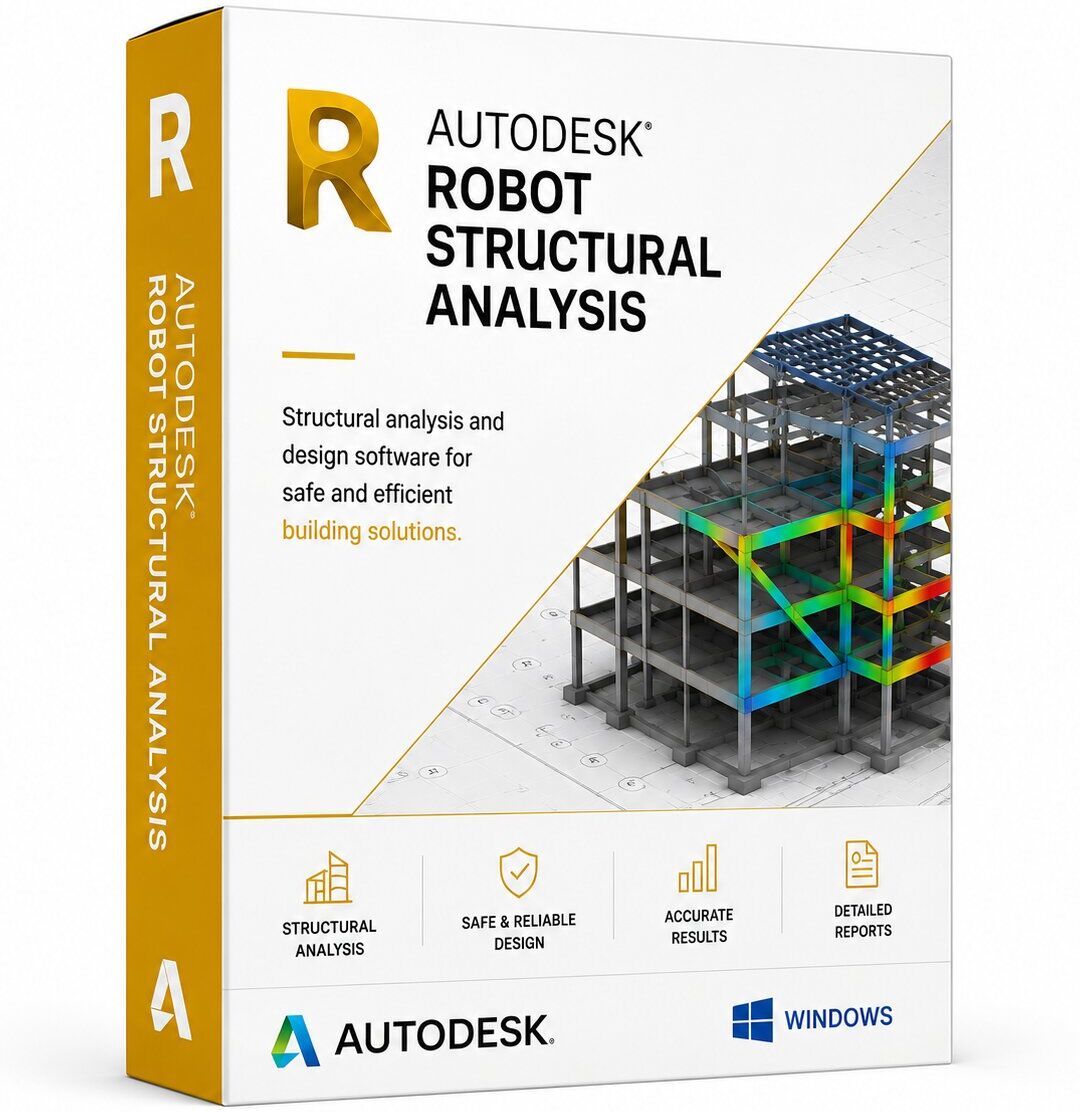
AUTODESK ROBOT STRUCTURAL ANALYSIS 2026AUTODESK ROBOT STRUCTURAL ANALYSIS LIZENZ Original und garantiert von Nextdigitalkey.com Autodesk Robot Structural Analysis Professional ist eine leistungsstarke FEM-Software (Finite-Elemente-Methode) für die statische und dynamische Analyse von Tragwerken. Sie wird von Statikern und Bauingenieuren weltweit zur präzisen Berechnung und Dimensionierung von Gebäuden und Infrastrukturen eingesetzt. Mit Robot Structural Analysis können Sie: - Statische und dynamische Berechnungen für beliebige Tragwerkstypen durchführen - Stahl-, Beton- und Holzstrukturen nach internationalen Normen (EN, AISC, etc.) bemessen - Nahtlos mit Revit und AutoCAD zusammenarbeiten – dank bidirektionaler BIM-Integration - Erdbeben-, Wind- und Schneelasten nach aktuellen Normen automatisch generieren - Detaillierte Bemessungsberichte und Werkstattzeichnungen exportieren Warum Robot Structural Analysis? Robot bietet eine vollständige Lösung für Tragwerksplanung – von der Modellierung bis zur Norm-konformen Bemessung – und spart durch die enge Revit-Integration erheblich Zeit bei Planungsänderungen. Lizenzinformationen: - Zugang: Vollständig - Sprache: Mehrsprachig - Geräte: 1 - Betriebssystem: Windows - Lizenztyp: Dauerhaft (ohne Ablaufdatum) Was Sie nach dem Kauf erhalten: - Offizieller Produktschlüssel - Downloadlink zur offiziellen Autodesk-Webseite - Installationsanleitung auf Deutsch Download: Der Download erfolgt direkt über die offizielle Autodesk-Webseite. Preis und Legalität: Unsere Lizenzen stammen aus dem Wiederverkauf entbundener Einzelhandelslizenzen gemäß dem Urteil des Europäischen Gerichtshofs (C-128/2011). Alle Lizenzen sind original, digital (ESD), sofort verfügbar und beliebig oft auf demselben Gerät installierbar. Support: Technischer Support rund um die Uhr per Fernzugriff – auch an Wochenenden und Feiertagen verfügbar.89,95 £*Shipping: 0,00 £Secure redirect to the provider
-
How do you multiply mantissas?
To multiply mantissas, you simply multiply the two numbers together. Mantissas are the significant digits in a number, excluding the exponent. When multiplying two numbers with mantissas, you multiply the two mantissas together and then adjust the result based on the exponents of the numbers. This process allows you to accurately calculate the product of two numbers with mantissas. **
-
Where do grain beetles multiply?
Grain beetles typically multiply in stored grains, cereals, flour, and other food products. They are commonly found in pantries, kitchens, and food storage areas where these items are kept. Grain beetles are attracted to the warmth and moisture of these environments, making them ideal places for them to lay eggs and multiply rapidly. Proper food storage and regular cleaning can help prevent grain beetles from infesting these areas. **
-
How do you multiply variables?
To multiply variables, you simply multiply the coefficients (numbers in front of the variables) together and then multiply the variables together. For example, to multiply 3x and 4y, you would multiply 3 and 4 to get 12, and then multiply x and y to get xy. So, the result of multiplying 3x and 4y would be 12xy. Remember to apply the rules of exponents if the variables have exponents. **
-
Can you multiply in French?
Yes, I can multiply in French. In French, the multiplication operation is called "multiplier." To multiply two numbers in French, you would say the first number, then "multiplié par," followed by the second number, and finally "égale" before stating the result. For example, to multiply 5 by 3, you would say "cinq multiplié par trois égale quinze." **
* All prices are inclusive of VAT and, if applicable, plus shipping costs. The offer information is based on the details provided by the respective shop and is updated through automated processes. Real-time updates do not occur, so deviations can occur in individual cases. ** Note: Parts of this content were created by AI.